
Land Rover Defender Information
Land Rover Defender Information
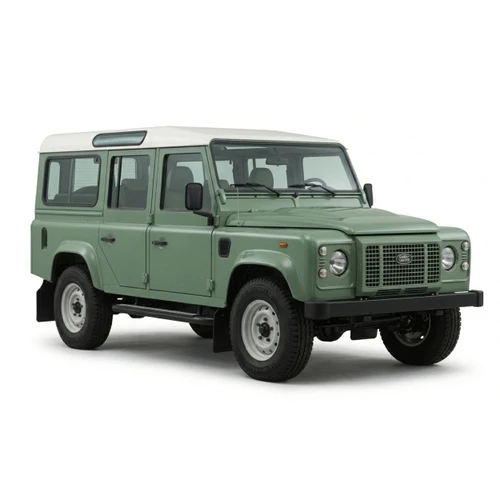
Explore the history, models, engines and major developments of the traditional Land Rover Defender, from the original coil-sprung 90 and 110 to the final vehicles produced in 2016.
The traditional Land Rover Defender
The vehicle now commonly known as the traditional Defender began with the introduction of the coil-sprung Land Rover 110 in 1983. The shorter Land Rover 90 followed in 1984, with the longer 127 joining the range soon afterwards.
These vehicles replaced the leaf-sprung Series models with more compliant coil-spring suspension and permanent four-wheel drive. The recognisable upright body shape remained, but the driving experience, interior and mechanical specification were steadily modernised.
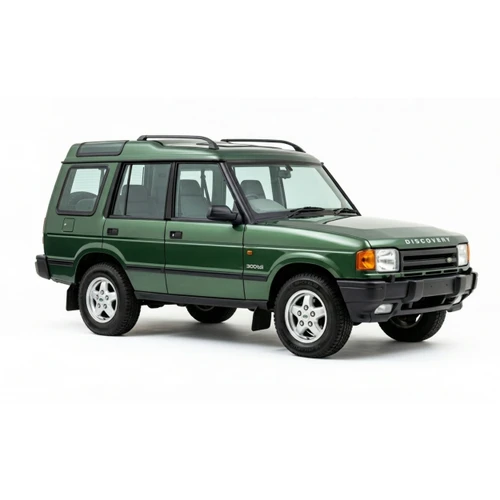
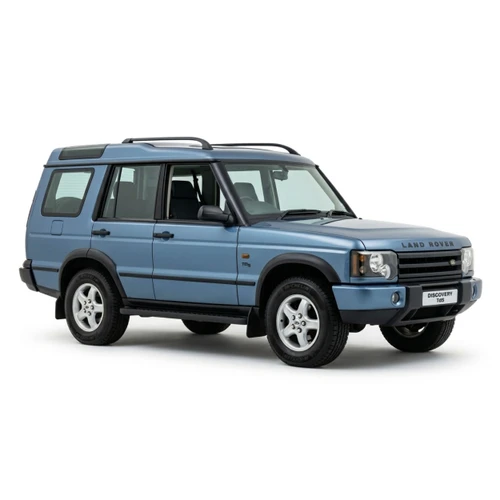
The Defender name was introduced around 1990, helping to distinguish the utility model range from the recently launched Discovery. The 90, 110 and later 130 designations continued to identify the different wheelbase and body formats.

Defender 90, 110 and 130 Models
The traditional Defender was produced in numerous body styles, but most vehicles fall into one of three principal wheelbase families.
The most compact version of the range. Defender 90 models were offered in configurations including Station Wagon, Hard Top, Soft Top and Pick Up, making them especially popular for off-road and recreational use.
The 110 provided additional load space, passenger capacity and towing practicality. It was sold in Station Wagon, Utility, Hard Top, High Capacity Pick Up and Double Cab formats.
Originally known as the Land Rover 127, the later Defender 130 was designed for larger bodies and greater carrying capacity. Double Cab and specialist commercial conversions were particularly common.
Land Rover Defender History
Although the basic shape remained familiar, the Defender received major engine, transmission, interior and safety updates throughout its production life.
The Land Rover 110 arrives
The coil-sprung Land Rover 110 entered production, introducing permanent four-wheel drive, improved road manners and a more modern chassis while retaining the practical utility body design.
The shorter Land Rover 90 follows
The 90 joined the range as a shorter and more agile alternative to the 110. Its compact dimensions made it especially capable in confined off-road conditions.
The long-wheelbase 127 is introduced
The extended 127 model provided a platform for crew cabs, ambulances, recovery vehicles, utility bodies and other specialist commercial conversions. It was later renamed the Defender 130.
The Defender name is adopted
Following the introduction of the Discovery, the established utility models became known as the Defender. The 200Tdi diesel engine also brought a substantial improvement in performance and long-distance usability.
300Tdi engine and revised transmission
The 300Tdi replaced the earlier 200Tdi, accompanied by the L380 five-speed manual gearbox. The combination became one of the best-known traditional Defender powertrains.
Electronic Td5 diesel introduced
The five-cylinder Td5 brought electronic engine management, improved refinement and stronger performance. Later Td5 vehicles were also available with additional comfort and electrical equipment.
2.4-litre TDCi Puma generation
The Td5 was replaced by a 2.4-litre TDCi diesel engine and six-speed manual gearbox. A new full-width dashboard, revised heating and ventilation system and forward-facing rear seating were among the major changes.
2.2-litre TDCi engine introduced
The 2.4-litre unit was replaced by a 2.2-litre TDCi engine to meet newer emissions requirements. The basic body and chassis design remained recognisably Defender.
Traditional Defender production ends
Production of the traditional Defender ended after more than three decades of continuous development, leaving an enormous worldwide community of vehicles still in working, recreational and expedition use.

Principal Defender Engine Generations
Engine type is one of the most important details when selecting service parts, cooling components, exhausts, fuel-system parts and engine components.
Engines
Petrol, diesel and V8 models
Early 90 and 110 vehicles used a variety of naturally aspirated petrol and diesel engines, turbodiesel units and Rover V8 petrol engines. Exact year, capacity and engine specification should always be checked.
200Tdi Defender
Introduced around 1990, the direct-injection 200Tdi substantially improved torque, fuel economy and usable road performance compared with earlier diesel engines.
300Tdi Defender
The later 300Tdi arrived during 1994 and was commonly paired with the L380 manual gearbox. It remains popular for its mechanical simplicity and parts availability.
Td5 Defender
The electronically controlled five-cylinder Td5 was used from the late 1990s until the 2007 model changes. Early 10P and later 15P engines can require different components.
TDCi
2.4 TDCi Puma Defender
Introduced for 2007, the 2.4-litre TDCi generation included a six-speed gearbox, revised dashboard and numerous interior and driveline changes.
TDCi
2.2 TDCi Puma Defender
The final traditional Defender generation used a 2.2-litre TDCi engine. Although visually similar to the 2.4 model, a number of engine, exhaust and emissions components differ.
How to Identify Your Defender
Defenders can have later engines, axles, gearboxes or body components fitted during their lifetime, so registration year alone does not always confirm compatibility.
Check the VIN or chassis number
The VIN helps identify the original model year and production specification. Many Defender components are divided by specific VIN ranges rather than registration date alone.
Confirm the engine
Establish whether the vehicle has an early diesel or petrol engine, 200Tdi, 300Tdi, Td5, 2.4 TDCi or 2.2 TDCi. Do not assume the original engine is still installed.
Compare the existing component
Check visible features, connector types, dimensions, part numbers and photographs before ordering, especially where a vehicle may have been modified or rebuilt.
Shop Land Rover Defender Parts
Choose the appropriate vehicle generation before browsing service parts, repairs, accessories and upgrades.
Traditional Defender Parts
Browse parts and accessories for traditional Defender 90, 110 and 130 models, including 200Tdi, 300Tdi, Td5 and TDCi Puma vehicles.
Shop Traditional Defender PartsDefender L663 Parts
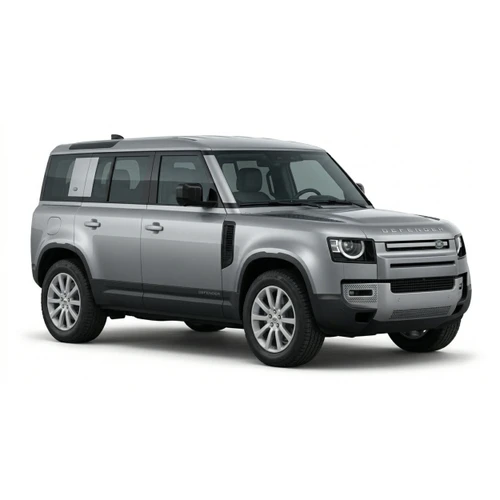
Looking for the current-generation Defender introduced from 2020? Browse its separate range of L663 parts, accessories and upgrades.
Shop Defender L663 PartsUnsure which Defender part you need?
Send us your vehicle registration or VIN, engine type and details of the part you are trying to replace. Including photographs or numbers from the original component can help us check the most likely fitment.