

Land Rover Discovery 2 Information
Land Rover Discovery 2 Information
Explore the history, engines, suspension systems and major model changes of the Land Rover Discovery 2, produced from 1998 until 2004.
The Land Rover Discovery Series II
The Land Rover Discovery 2 was introduced in 1998 as the replacement for the original Discovery. Although its familiar stepped roof and overall profile closely resembled the Discovery 1, the second-generation model incorporated extensive mechanical, structural and electronic changes.
The rear body was lengthened to improve passenger and load space, while revised suspension, braking and electronic systems made the vehicle more refined and capable. Depending on specification, the Discovery 2 could also be equipped with seven seats, rear self-levelling air suspension and Active Cornering Enhancement.
UK vehicles were primarily powered by the five-cylinder 2.5-litre Td5 diesel engine or the 4.0-litre Rover V8 petrol engine. Both manual and automatic transmissions were offered, depending on engine and specification.

Discovery 2 Model Types
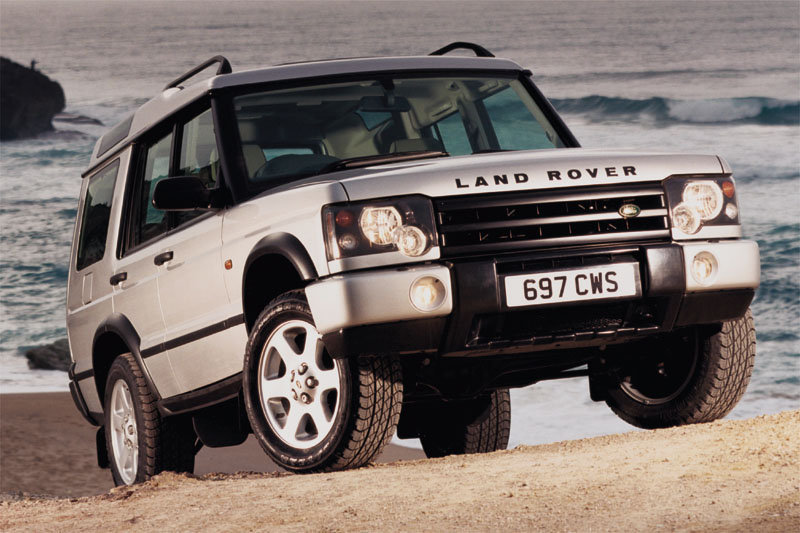
The most important visual distinction is between the original pre-facelift vehicle and the later facelift model introduced for the final years of production.
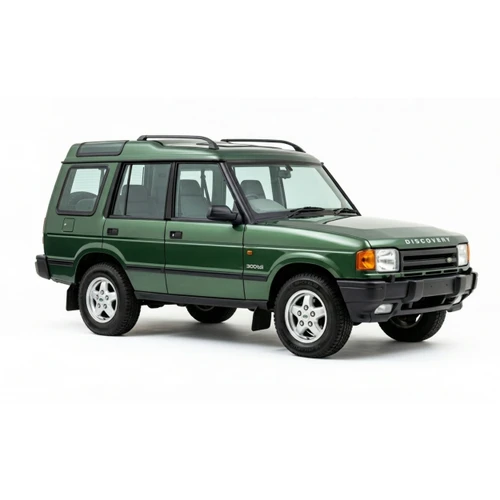
Early vehicles have conventional rectangular headlamps with separate amber front indicators. Their rear lamp arrangement, bumpers, grille and various body fittings differ from those fitted to later facelift models.
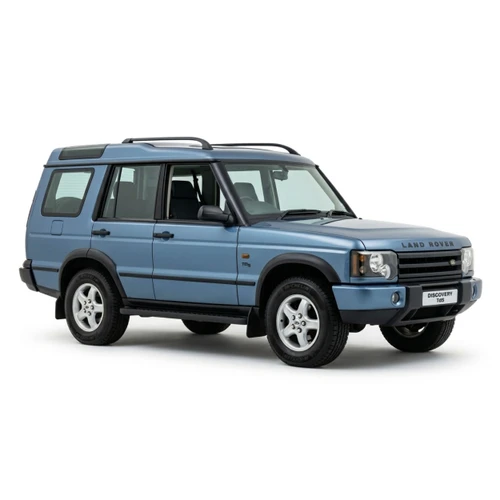
The later vehicle is easily recognised by its twin-pocket projector-style headlamps and revised front grille. The rear light arrangement and a range of trim and electrical components were also changed.
Five-seat vehicles have a conventional load area, while seven-seat versions use two forward-facing folding seats in the rear. Seven-seat specification is commonly associated with rear air suspension, but each vehicle should be checked.
Land Rover Discovery 2 History
The Discovery 2 introduced new engines and sophisticated chassis systems before receiving a prominent exterior update later in its production life.
The Discovery Series II is introduced
The second-generation Discovery entered production with a longer rear body, revised chassis, new axles and significantly more electronic control systems than the Discovery 1 it replaced.
Discovery 2 becomes widely available
The new model became established in the UK with the 2.5-litre Td5 diesel and 4.0-litre V8 petrol engines. Manual and automatic transmission options were offered, depending on model and engine.
Ongoing specification changes
Trim levels, electronic equipment and engine management specifications continued to develop. This means apparently similar vehicles can use different sensors, control units and electrical components.
The facelift Discovery 2 arrives
A major exterior update introduced distinctive twin-pocket headlamps, a revised grille, altered bumpers and a revised rear lighting arrangement. Several mechanical and electrical changes accompanied the new appearance.
Discovery 2 production ends
Production ended as the completely redesigned Discovery 3 was introduced. The Discovery 3 used a different platform, independent suspension and a new range of engines and electronic systems.
Principal Discovery 2 Engines
Engine type and engine number are important when ordering service items, fuel-system parts, cooling components, sensors, exhausts and internal engine parts.
2.5-litre Td5 Diesel
The electronically managed five-cylinder Td5 was the principal UK diesel engine. It used unit injectors, turbocharging and an intercooler, and was available with either manual or automatic transmission.
Early Td5 Engine
Earlier Discovery 2 Td5 vehicles generally use the 10P engine specification. Some cylinder-head, fuel, cooling and engine-management components differ from those used on later engines.
Later Td5 Engine
Later Td5 models generally use the revised 15P engine specification. Always check the engine number or the relevant VIN range where a listing separates early and later components.
V8
4.0-litre Rover V8 Petrol
Petrol-powered UK Discovery 2 models used the fuel-injected 4.0-litre Rover V8. V8 cooling, ignition, fuel, exhaust and transmission parts are different from those fitted to Td5 diesel vehicles.
Discovery 2 Suspension and Chassis Systems
Not every Discovery 2 has the same suspension and handling equipment. Confirm the vehicle’s actual specification before ordering replacement parts.
Rear Air Suspension
Self-Levelling Suspension uses rear air springs, height sensors, a compressor and electronic control in place of conventional rear coil springs. Many five-seat vehicles instead use coils, and some air-suspension vehicles have since been converted.
Active Cornering Enhancement
ACE uses hydraulically controlled anti-roll bars to reduce body lean during cornering. ACE-equipped vehicles have additional hydraulic pipes, actuators, a pump and valve block that are not fitted to standard suspension models.
Electronic Traction Control
The ABS system can brake a spinning wheel to help transfer drive to wheels with greater grip. The same wheel-speed sensing system also supports anti-lock braking and hill descent control.
Centre Differential Lock
Centre differential-lock hardware and operating arrangements vary between production years and vehicles. Some transfer boxes contain internal locking components without a factory selector linkage, while other vehicles may have been modified.
Manual or Automatic
Td5 models were sold with manual and automatic transmissions, while V8 specification depended on market and model. Gearbox, cooling, mounting and transmission-service components must match the fitted transmission.
Five or Seven Seats
Seven-seat models use forward-facing folding seats in the luggage area, along with model-specific trim, seat belts and mounting parts. Confirm the original and current seating configuration before ordering interior components.
How to Identify Your Discovery 2
Registration year is useful, but VIN, engine specification, fitted suspension equipment and the existing component provide more reliable identification.
Check the VIN
Many Discovery 2 components are divided by a specific VIN breakpoint. Use the complete chassis number rather than relying only on registration year or the date first registered.
Confirm early or facelift
Early vehicles use rectangular headlamps with separate amber indicators. Facelift vehicles use the distinctive later twin-pocket headlamps and revised grille and lighting.
Identify the engine
Confirm whether the vehicle has a Td5 diesel or 4.0 V8 petrol engine. For Td5 engine parts, establish whether it uses the early 10P or later 15P specification.
Inspect the rear suspension
Look behind the rear wheels to establish whether the vehicle has coil springs or rubber air springs. Do not assume a vehicle retains its original factory suspension.
Check for ACE
ACE-equipped vehicles have hydraulic actuators and pipework connected to the anti-roll bars. Standard vehicles use conventional anti-roll bars without the hydraulic system.
Compare the original part
Check electrical connectors, dimensions, casting numbers and visible features against the listing photographs, particularly where a vehicle may have been repaired, converted or modified.
Shop Land Rover Discovery 2 Parts
Browse replacement parts, service kits, accessories and upgrades for Td5 and V8 Discovery 2 models.
Discovery 2 Parts
Browse our complete Discovery 2 range, including engine, braking, suspension, steering, electrical, transmission, body and service components.
Shop Discovery 2 PartsLooking for Discovery 3 Parts?
The Discovery 3 replaced the Discovery 2 in 2004 and is an entirely different vehicle with independent suspension, different engines and more advanced electronic systems.
Shop Discovery 3 PartsUnsure which Discovery 2 part you need?
Send us your vehicle registration or VIN, engine type, transmission and details of the component you are replacing. For suspension parts, also tell us whether the vehicle has rear air suspension or ACE. Clear photographs and numbers from the original part can help us check likely fitment.