
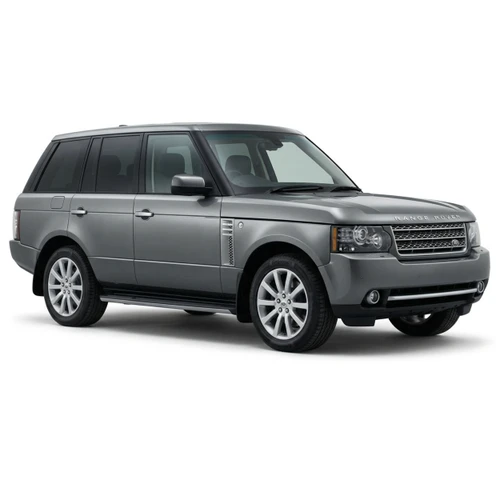



Land Rover Discovery 4 Information
Land Rover Discovery 4 Information
Explore the history, engines, transmissions, suspension systems and major model changes of the Land Rover Discovery 4, produced from 2009 until 2016.
The Land Rover Discovery 4
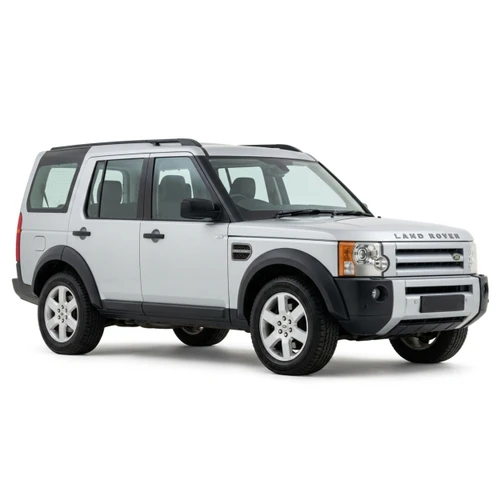
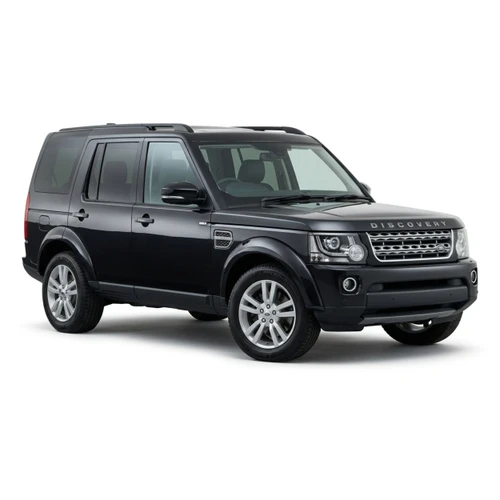
The Land Rover Discovery 4 was introduced in 2009 as an extensively updated development of the Discovery 3. It retained the same basic Integrated Body Frame structure and practical stepped-roof body shape, but received major changes to its engines, interior, electronics, suspension calibration and exterior styling.
The redesigned cabin brought improved materials, a revised centre console, upgraded instruments and newer infotainment equipment. The flexible seven-seat layout remained one of the vehicle's strongest features, with the second and third rows folding to create a long, nearly flat load floor.
Most UK Discovery 4 models use a 3.0-litre TDV6 or SDV6 diesel engine with automatic transmission. A smaller number of early vehicles retained the 2.7 TDV6, while petrol engines were offered principally in other markets.

Discovery 4 Model Types
Styling, engine, transmission, braking and electrical specifications changed during production, so vehicle year and VIN are important when selecting parts.
Early vehicles introduced the redesigned Discovery 4 front end and interior. Depending on year and trim, they may use the 2.7 TDV6 or 3.0 TDV6 diesel engine and a six-speed automatic transmission.
Later vehicles received revised front styling, lighting, badging, infotainment and engine specifications. Many use the 3.0 SDV6 engine and eight-speed automatic gearbox, although exact specification must be checked.
Discovery 4 Commercial vehicles use a load-area conversion in place of the normal rear passenger seating. Interior trim, floor components, glazing and other fittings may differ from standard passenger models.
Land Rover Discovery 4 History
The Discovery 4 developed through several engine, transmission, styling and equipment revisions between its introduction and replacement by the Discovery 5.
The Discovery 4 is introduced
The updated vehicle arrived with revised front and rear styling, a redesigned interior, improved chassis calibration and a new 3.0-litre twin-turbocharged diesel engine alongside selected 2.7 TDV6 models.
The 3.0 TDV6 becomes established
The 3.0-litre diesel offered increased power and torque compared with the previous 2.7 TDV6. Larger brakes and model-specific cooling, fuel and exhaust components accompanied the newer engine.
Eight-speed automatic transmission
Later models adopted an eight-speed automatic gearbox with a rotary gear selector. Transmission service parts, oil specifications and associated components differ from the earlier six-speed automatic system.
Exterior and technology update
Revised front styling, lighting and badging gave later Discovery 4 models a more modern appearance. Equipment, emissions systems and electronic control modules also continued to develop.
Discovery 4 production ends
Production ended before the introduction of the Discovery 5. The replacement uses a substantially different aluminium-intensive body structure, newer engines, revised suspension and different electronics.

Principal Discovery 4 Engines
Engine capacity alone does not always identify the correct parts. Check the VIN, engine designation, power output and original component number wherever a listing separates different specifications.
TDV6
2.7-litre TDV6 Diesel
Some early Discovery 4 models retained the 2.7 TDV6 used in the Discovery 3. Its timing, turbocharger, cooling, fuel, exhaust and service components differ from those used by the 3.0-litre engines.
TDV6
3.0-litre TDV6 Diesel
The 3.0 TDV6 introduced twin turbochargers and stronger performance. Several versions were produced, so parts should be selected using the vehicle VIN and the exact engine and emissions specification.
SDV6
3.0-litre SDV6 Diesel
Later higher-output diesel models commonly carry the SDV6 designation. Although related to the 3.0 TDV6, engine management, turbocharger, exhaust and other components can vary by year and power output.
V8
5.0-litre V8 Petrol
A naturally aspirated 5.0-litre V8 petrol engine was available in selected overseas markets. Imported vehicles require careful identification because most UK Discovery 4 engine listings concern diesel models.
DPF
Diesel Particulate Filter
Diesel exhaust specification varies with year and market. Confirm whether the vehicle has a DPF and compare pressure sensors, temperature sensors and exhaust connections before ordering.
Belts
Timing and Fuel-Pump Belts
TDV6 and SDV6 engines use model-specific belt-drive components and service procedures. Timing-belt kits must match the engine capacity and production specification.
Discovery 4 Chassis and Vehicle Systems
The correct part can depend on engine, transmission, brake specification, suspension compressor, differential type and the electronic equipment fitted to the vehicle.
Electronic Air Suspension
Discovery 4 passenger models use height-adjustable air suspension with four air struts, height sensors, valve blocks, a reservoir and an electrically driven compressor.
Hitachi or AMK Compressor
Vehicles may have a Hitachi compressor, a later AMK compressor or a retrofit conversion. Mountings, brackets, pipes, wiring and software configuration can differ, so visually inspect the fitted unit before ordering.
Six-Speed or Eight-Speed Automatic
Earlier models generally use a six-speed automatic gearbox, while later versions use an eight-speed unit. Filters, sumps, fluids, selectors and other components are not the same.
Different Brake Sizes
Brake disc, pad and caliper sizes vary according to engine, year, wheel size and vehicle specification. Do not order brake parts using the model name alone.
Rear Parking Brake System
An electronic actuator operates conventional parking-brake shoes inside the rear discs. Correct shoe adjustment is essential to prevent noise, poor operation or damage to the actuator.
Rear Differential Types
Vehicles can use a standard rear differential or an electronically controlled locking differential. Motors, wiring and internal differential components must match the fitted version.
Terrain Response
Terrain Response coordinates engine, gearbox, suspension, traction control and differential operation. Switches and modules can vary with year and centre-console design.
Surround Cameras and Tow Assist
Depending on specification, the Discovery 4 may have reversing or surround cameras, hitch guidance and trailer stability systems. Cameras and control modules may require configuration after replacement.
Programming and Calibration
Some modules, sensors, suspension components and replacement control units require calibration, coding or vehicle configuration using suitable diagnostic equipment.
How to Identify Your Discovery 4
The registration year is only a starting point. Use the VIN, engine, gearbox, fitted compressor and original component information when checking compatibility.
Check the complete VIN
Many Discovery 4 parts are separated by an exact chassis number. The VIN also helps establish the original engine, model year and factory specification.
Confirm the engine
Establish whether the vehicle has a 2.7 TDV6, 3.0 TDV6, 3.0 SDV6 or an overseas-market petrol engine. Check power output and emissions specification where relevant.
Identify the gearbox
Confirm whether the vehicle uses the earlier six-speed or later eight-speed automatic transmission. The rotary selector alone should not replace a proper VIN check.
Inspect the air compressor
Look underneath the vehicle and identify whether a Hitachi or AMK compressor is fitted. A previous owner may have installed a retrofit kit that differs from the original factory specification.
Check the brake specification
Measure the existing discs or confirm the fitted caliper and wheel size. Several brake combinations were used and registration year alone may not identify them reliably.
Compare the original component
Check labels, connector shapes, casting numbers and visible design details. Electronic parts may also need coding, programming or calibration after installation.
Shop Land Rover Discovery 4 Parts
Browse replacement parts, service kits, accessories and upgrades for TDV6, SDV6 and petrol Discovery 4 models.
Discovery 4 Parts
Browse our complete Discovery 4 range, including suspension, braking, engine, transmission, electrical, body, steering and service components.
Shop Discovery 4 PartsLooking for Discovery 5 Parts?
The Discovery 5 replaced the Discovery 4 and uses a different body structure, newer engines, revised suspension and a separate range of electrical and mechanical components.
Shop Discovery 5 PartsUnsure which Discovery 4 part you need?
Send us your vehicle registration or VIN, engine, transmission and details of the component you are replacing. For air-suspension parts, include a photograph of the fitted compressor where possible. Clear photographs, connector details and numbers from the original component can help us check the most likely fitment.