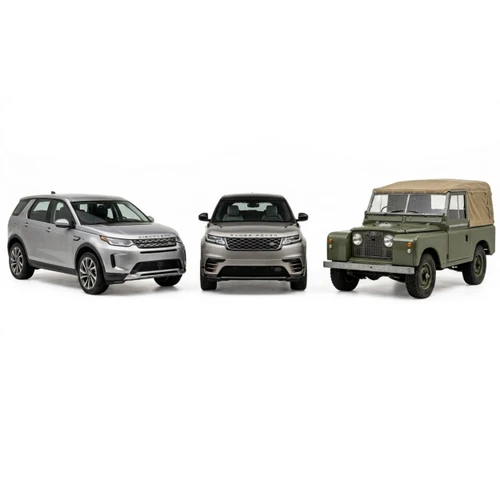
Land Rover Freelander 1 Information
Land Rover Freelander 1 Information
Explore the history, body styles, engines, four-wheel-drive system and important model changes of the original Land Rover Freelander, also known by its L314 model code.
The original Land Rover Freelander
The Land Rover Freelander was introduced in 1997 as a new type of vehicle for the company. It was smaller, lighter and more road-focused than the Defender, Discovery and Range Rover models available at the time.
Rather than using a separate ladder chassis and beam axles, the Freelander used monocoque body construction and fully independent suspension. This provided car-like handling, a comfortable ride and a lower floor, while retaining useful ground clearance and permanent four-wheel drive.
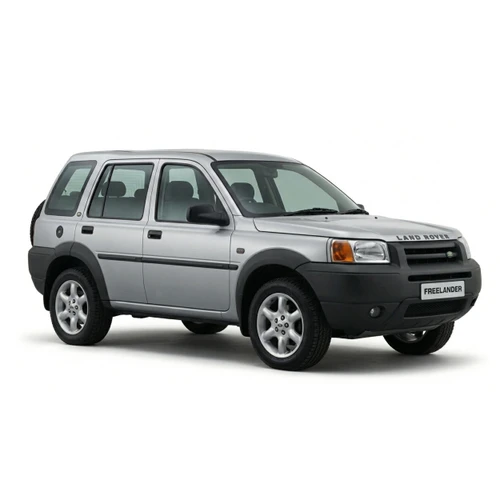
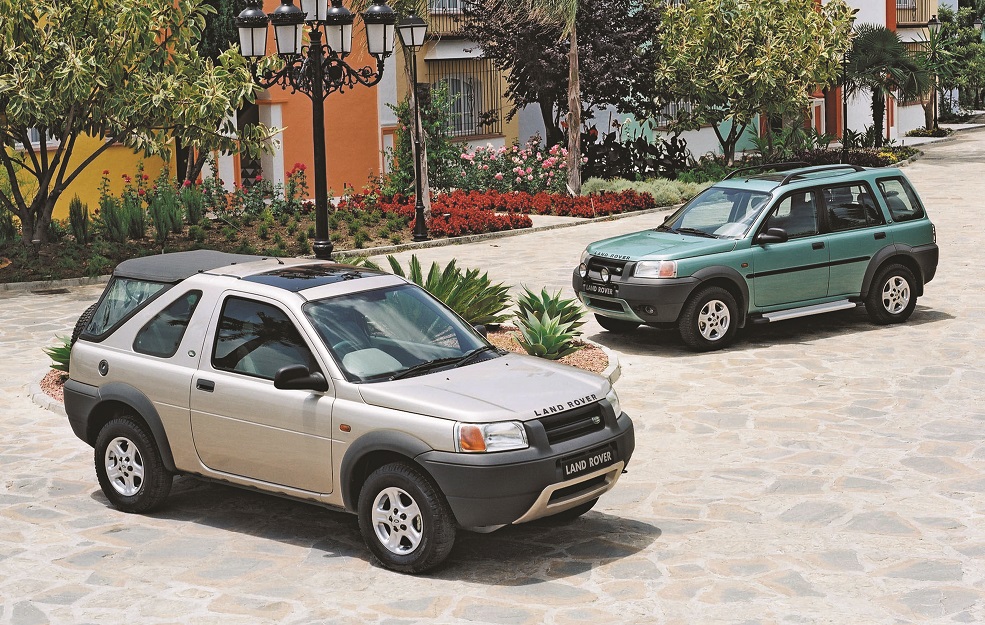
The Freelander 1 is identified by the L314 model code. It was available as a practical five-door estate and as a shorter-looking three-door model with either a fixed hardback roof or removable softback rear roof section.
Freelander 1 Body Styles
Doors, roof panels, glazing, seals and interior trim can differ considerably between the three-door and five-door versions.
Five-Door Estate
Full-length family bodyThe five-door estate provides conventional access to the rear seats and a fixed rear roof. It became the most practical and widely recognised Freelander 1 body style.
Three-Door Hardback
Removable rear hardtopThe three-door hardback uses longer front doors and a removable rear roof section. Door glass, rear side panels, trim and roof fittings differ from the estate.
Three-Door Softback
Folding fabric rear roofThe softback replaces the rear hardtop with a removable or folding fabric roof assembly. Roof seals, frames, rear glazing and trim are specific to this version.
Land Rover Freelander 1 History
Engine, interior, body and transmission specifications changed considerably during the Freelander 1's production life.
The Freelander is launched
The new compact Land Rover entered the market with monocoque construction, independent suspension and permanent four-wheel drive. Three-door and five-door body styles were offered.
The range becomes established
Early UK vehicles were primarily powered by the 1.8-litre K-Series petrol engine or the Rover L-Series 2.0-litre diesel, both normally paired with manual transmission.
Td4 diesel and V6 petrol arrive
The BMW-derived 2.0 Td4 diesel replaced the earlier L-Series diesel. A 2.5-litre KV6 petrol engine and Jatco automatic transmission also joined the range.
Automatic Td4 becomes available
Selected Td4 vehicles were offered with the five-speed Jatco automatic gearbox, giving buyers a choice between manual and automatic diesel models.
Major facelift and interior revision
The facelift introduced revised front and rear styling, updated lighting and a significantly redesigned dashboard and interior. Many body and trim parts differ from the earlier vehicle.
Freelander 1 production ends
The original Freelander was replaced by the Freelander 2, which used a completely different platform, body, drivetrain and electrical architecture.
Permanent four-wheel drive without low range
The Freelander 1 does not use a separate low-range transfer gearbox or manually operated centre differential lock. Instead, its transverse engine drives through an Intermediate Reduction Drive unit, propshaft and viscous coupling to the rear differential.
Freelander 1 Engines
Confirm the engine type before ordering service, cooling, fuel, exhaust or internal engine components.
1.8-Litre K-Series Petrol
The four-cylinder 1.8 petrol was widely fitted to early and later Freelander 1 models. Cooling-system condition and correct bleeding are especially important on this engine.
2.0-Litre L-Series Diesel
Early diesel vehicles use the Rover L-Series engine, sometimes described as Di or XDi. It is mechanically different from the later BMW-derived Td4.
2.0-Litre Td4 Diesel
The Td4 uses a BMW-derived common-rail diesel engine. Manual and automatic versions were produced, with transmission and driveline parts differing accordingly.
2.5-Litre KV6 Petrol
The V6 petrol model uses the Rover KV6 engine and was normally paired with the five-speed Jatco automatic gearbox. Cooling, ignition and engine parts are unique to the V6.
Manual Transmission Models
Most 1.8 petrol and early diesel models use manual gearboxes. Clutch, flywheel, gearbox and driveshaft parts must match the fitted engine and transmission.
Jatco Automatic Models
V6 and selected Td4 vehicles use the five-speed Jatco automatic gearbox. Fluid, filters, coolers and driveline components differ from manual versions.
Freelander 1 Drivetrain and Chassis
The permanent four-wheel-drive system must be maintained as a complete system, with particular attention paid to tyres, the viscous coupling and IRD.
Intermediate Reduction Drive
The IRD combines the front differential with the drive take-off for the rear propshaft. IRD specification can differ according to engine and transmission.
Viscous Coupling Unit
The VCU reacts to rotational differences between the front and rear driveline. A seized or excessively stiff coupling can overload the IRD and rear differential.
Matched Tyres Are Essential
All four tyres should be closely matched in size, type and wear. Significant rolling-circumference differences can keep the VCU working continuously and cause damage.
Propshaft and Support Bearings
The two-piece propshaft uses centre support bearings and connects the IRD to the rear differential through the viscous coupling assembly.
Independent Suspension
MacPherson-strut-style independent suspension is used at the front and rear. Springs and dampers vary by engine, body style and specification.
Hill Descent Control
Equipped vehicles use the ABS system to control speed on steep descents. Wheel-speed sensors and ABS components therefore support several vehicle-control functions.
How to Identify Your Freelander 1
Use the VIN, engine, body style, transmission and existing component together when checking compatibility.
Check the complete VIN
Many components are separated by exact VIN breakpoints. The VIN also helps establish original engine, model year and factory specification.
Identify the engine
Confirm whether the vehicle has the 1.8 petrol, early 2.0 diesel, 2.0 Td4 or 2.5 V6 engine.
Confirm the body style
Establish whether the vehicle is a five-door estate, three-door hardback or three-door softback before ordering body or interior parts.
Check early or facelift specification
Facelift vehicles have revised front and rear styling, lights, dashboard and interior trim. Registration date alone may overlap the change.
Confirm manual or automatic
Gearbox, mounting, cooling and driveline components vary significantly between manual and Jatco automatic models.
Compare the original component
Check labels, connectors, mounting points and visible design details, particularly where earlier repairs or modifications may have been made.
Shop Land Rover Freelander 1 Parts
Browse replacement parts, service items and accessories for petrol and diesel Freelander 1 models.
Freelander 1 Parts
Browse our complete Freelander 1 range, including engine, transmission, braking, suspension, steering, body, electrical and service components.
Shop Freelander 1 PartsLooking for Freelander 2 Parts?
The Freelander 2 replaced the original model in 2006 and uses a completely different body, drivetrain, suspension and electrical system.
Shop Freelander 2 PartsUnsure which Freelander 1 part you need?
Send us your vehicle registration or complete VIN, engine type, transmission and details of the component being replaced. Please also mention whether the vehicle is a five-door estate, three-door hardback or softback. Clear photographs and numbers from the original part can help us check likely fitment.