
Range Rover Classic Information
Range Rover Classic Information
Explore the history, body styles, petrol and diesel engines, transmissions, suspension systems and important identifying features of the original Range Rover.
The Range Rover Classic
The original Range Rover was introduced in 1970, combining genuine off-road ability with a more comfortable and refined driving experience than the working Land Rover models of the period.
Its engineering included a separate ladder chassis, long-travel coil-spring suspension, beam axles, permanent four-wheel drive and a lightweight aluminium-panelled body. The split tailgate, continuous waistline and large glass area became defining Range Rover design features.
Initially available only as a two-door model, the range expanded to include four-door, automatic, diesel, luxury Vogue and long-wheelbase LSE versions. By the end of production, the Range Rover had developed into a significantly more luxurious and technologically advanced vehicle.
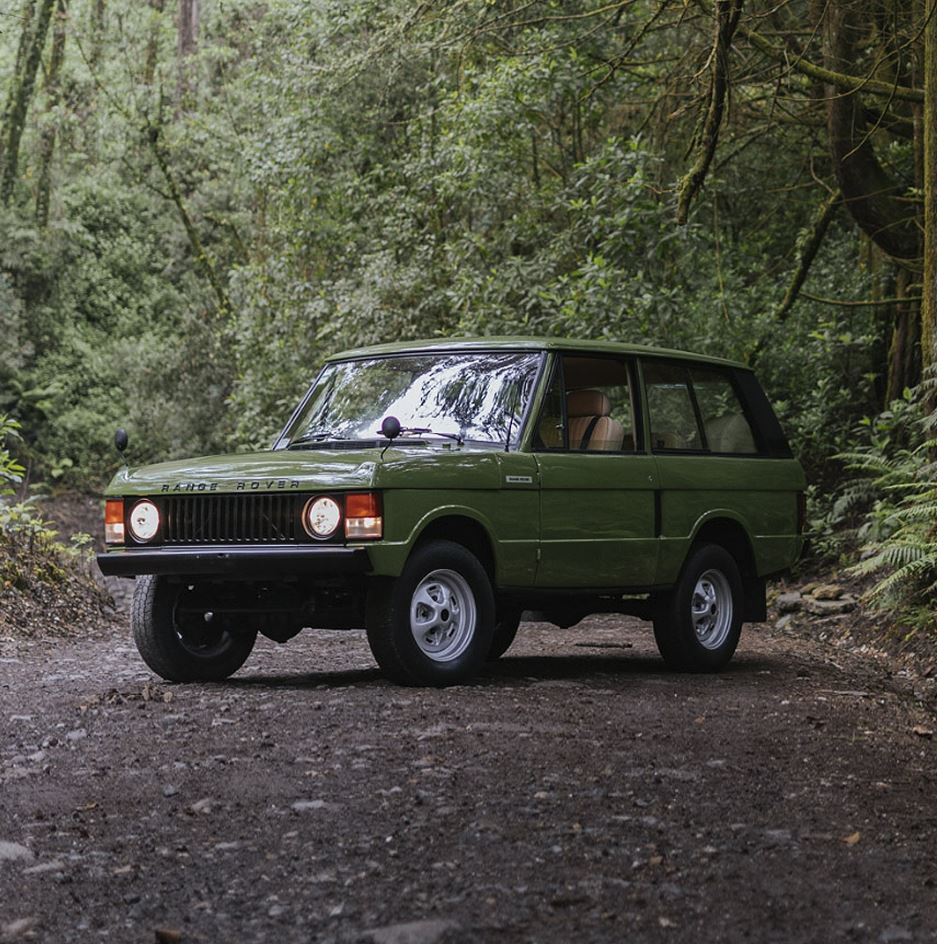
Range Rover Classic Model Types
Body style, wheelbase, engine, gearbox, suspension and equipment changed substantially during more than 25 years of production.
Two-Door Range Rover
Original body styleThe first Range Rovers used a two-door body with long front doors and folding front seats. Two-door models continued in selected markets after the introduction of the four-door vehicle.
Four-Door Range Rover
Introduced during 1981The four-door body improved access to the rear seats and became the principal UK configuration. Doors, glass, seals, interior trim and several body components differ from two-door models.
Vogue and County
Higher luxury specificationsVogue and County versions introduced progressively more luxurious upholstery, carpets, interior trim, electrical equipment and exterior detailing. Exact equipment varies by year and market.
Range Rover LSE
108-inch long wheelbaseThe LSE has an eight-inch wheelbase extension, greater rear legroom, a 4.2-litre V8 and electronic air suspension. Chassis, propshaft, body and suspension parts can be LSE specific.
Range Rover Classic History
The original concept remained recognisable throughout production, but engines, bodywork, transmissions, suspension and luxury equipment evolved continually.
The original Range Rover is launched
The first production model used a two-door body, 3.5-litre Rover V8, four-speed manual gearbox, permanent four-wheel drive and long-travel coil-spring suspension.
Trans-America expedition
Range Rovers completed a major expedition through the Americas, including the difficult Darién Gap, helping establish the vehicle's international reputation for durability and off-road ability.
The four-door model arrives
A factory four-door body made the Range Rover more practical for family use and helped accelerate its development from capable utility vehicle into a luxury four-wheel drive.
Automatic transmission becomes available
Automatic transmission broadened the Range Rover's appeal. Different automatic gearboxes and transfer cases appeared during production, so the fitted transmission must be identified carefully.
Diesel engines join the range
Turbocharged VM diesel engines became available in selected markets. Later UK diesel models used Land Rover's 200Tdi and 300Tdi engines.
3.9 V8 and anti-lock brakes
The larger fuel-injected 3.9-litre V8 became available, while anti-lock braking was introduced on suitable higher-specification vehicles.
The CSK limited edition
The two-door CSK commemorated Range Rover designer Charles Spencer King. It combined a 3.9-litre V8 with distinctive trim and revised road-focused suspension.
LSE and electronic air suspension
The long-wheelbase LSE introduced a 108-inch wheelbase, 4.2-litre V8 and electronic air suspension. Electronic traction control also appeared on suitable models.
The Classic name is adopted
With the new P38 generation approaching, the original vehicle became known officially as the Range Rover Classic. Late vehicles received revised interior and electrical details.
Range Rover Classic production ends
The final Classics left production after more than 25 years. The P38 had already begun the next generation of Range Rover development.
Coil-sprung comfort with genuine off-road ability
The Range Rover Classic's long-travel coil springs, permanent four-wheel drive, beam axles and generous ground clearance gave it exceptional ability on rough terrain. Its compliant suspension and comfortable cabin also made it far more refined on the road than a traditional working Land Rover.
Range Rover Classic Engines
Engine type, capacity, fuel system and production period must be checked before ordering service, cooling, exhaust, ignition or internal engine components.
Early Rover V8 Petrol
Early vehicles use the aluminium 3.5-litre Rover V8 with twin carburettors. Carburettor type, ignition system and engine details changed during production.
Fuel-Injected 3.5-Litre V8
Electronic fuel injection improved performance and drivability. Fuel-system, intake, ignition and electrical components differ from carburettor-equipped engines.
3.9-Litre V8 Petrol
The 3.9-litre fuel-injected V8 was widely fitted to later vehicles. Engine management, exhaust and cooling parts vary according to year and market specification.
Range Rover LSE Engine
The long-wheelbase LSE uses a 4.2-litre version of the Rover V8. Internal engine, exhaust, cooling and management parts should be checked specifically for the 4.2 application.
2.4 and 2.5 VM Diesel
Selected diesel Range Rover Classics used Italian-designed VM turbo-diesel engines. Cooling, cylinder-head, fuel and service parts are different from later Tdi models.
2.5-Litre 200Tdi Diesel
The direct-injection 200Tdi provided improved economy and useful low-speed torque. Range Rover applications use model-specific intake, exhaust, cooling and mounting components.
2.5-Litre 300Tdi Diesel
Late diesel Classics used the 300Tdi. Although related to the 200Tdi, many engine, timing, mounting, cooling and ancillary parts are different.
Replacement and Converted Engines
Some vehicles now have later Rover V8, diesel or other engine conversions. Parts must match the engine actually fitted and the way the conversion was completed.
Check the Engine Identity
Use the engine number, capacity, fuel system and visible component layout. Registration records may not reflect a later replacement engine.
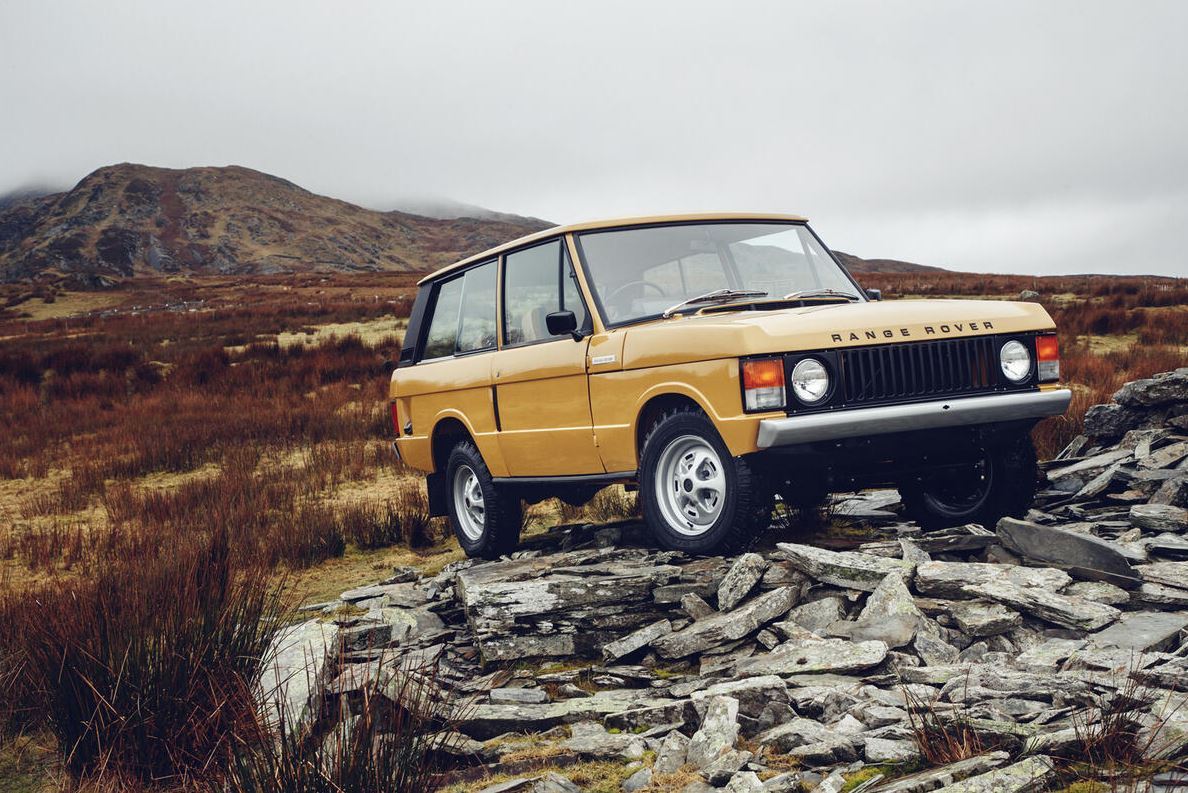
Range Rover Classic LSE
The LSE extended the standard 100-inch wheelbase to approximately 108 inches, creating substantially greater rear-seat legroom while retaining the familiar Range Rover Classic appearance.
UK LSE models normally use a 4.2-litre V8, automatic transmission and electronic air suspension. Chassis, sills, rear doors, propshafts, exhaust and other parts can differ from standard-wheelbase vehicles.
Range Rover Classic Vehicle Systems
Gearbox, transfer case, axles, brakes, suspension and electrical equipment vary considerably according to age, engine and specification.
Separate Ladder Chassis
The Classic uses a separate steel chassis with an aluminium-panelled body. Standard and long-wheelbase chassis, outriggers, sills and body mountings differ.
Coil-Spring Suspension
Most Range Rover Classics use long-travel coil springs with telescopic dampers. Spring rates vary according to axle position, engine and vehicle specification.
Electronic Air Suspension
Suitable later vehicles and the LSE use electronic air suspension with air springs, height sensors, valve block, compressor and electronic control.
Manual Gearboxes
Manual vehicles may use LT95, LT77 or later R380 transmissions depending on age and engine. Gearbox, clutch and mounting parts are not interchangeable.
Automatic Gearboxes
Automatic specifications changed during production. Later vehicles commonly use a four-speed ZF automatic, but filters, fluids and control components vary.
Transfer Case Types
Transfer systems include the LT95 arrangement, LT230 gear-driven transfer box and later BorgWarner viscous coupling unit. Identify the unit before ordering parts.
Rover Axles
Beam axles are used front and rear, but differential, halfshaft, hub and swivel specifications changed during production, including spline-count changes.
Braking and ABS
Brake discs, calipers, master cylinders and servo arrangements vary. Later vehicles may have anti-lock brakes and electronic traction control.
Electrical and Interior Changes
Instruments, switches, wiring, lamps, central locking, seats and air-conditioning systems changed repeatedly. VIN and original-component comparison are important.
How to Identify Your Range Rover Classic
Use the complete VIN, body style, wheelbase, engine, transmission and existing component details before ordering.
Check the chassis number
The chassis number helps identify production period, original engine, gearbox and market specification. Many components are divided by exact VIN breakpoints.
Confirm two-door or four-door
Doors, glass, seals, trim and several body components are specific to the two-door or four-door body.
Check standard or LSE wheelbase
Standard vehicles use an approximately 100-inch wheelbase. The LSE has an extended 108-inch chassis and model-specific body and driveline parts.
Identify the fitted engine
Confirm engine capacity, petrol or diesel, carburettor or injection, and whether the original engine has been replaced or converted.
Check gearbox and suspension
Establish the manual or automatic gearbox, transfer case type and whether the vehicle uses coil springs or electronic air suspension.
Compare the original component
Check labels, casting numbers, electrical connectors, dimensions, spline counts and mounting arrangements against the replacement listing.
Shop Range Rover Classic Parts
Browse replacement parts, service components, accessories and restoration items for petrol and diesel Range Rover Classic models.
Range Rover Classic Parts
Browse engine, transmission, braking, suspension, steering, body, electrical, exhaust and service components for 1970–1996 models.
Shop Range Rover Classic PartsLooking for Range Rover P38 Parts?
The P38 is the second-generation Range Rover, introduced during the mid-1990s with a different body, chassis systems, electronics and parts range.
Shop Range Rover P38 PartsUnsure which Range Rover Classic part you need?
Send us the complete chassis number or VIN, vehicle year, body style, engine, gearbox and details of the component being replaced. Please also confirm whether the vehicle is standard wheelbase or LSE and whether it has coil or air suspension where relevant. Clear photographs, measurements and numbers from the original part can help us check likely fitment.