
Range Rover L322 Information
Range Rover L322 Information
Explore the engines, model-year changes, electronic air suspension, drivetrains and important identifying features of the third-generation Range Rover.
The Range Rover L322
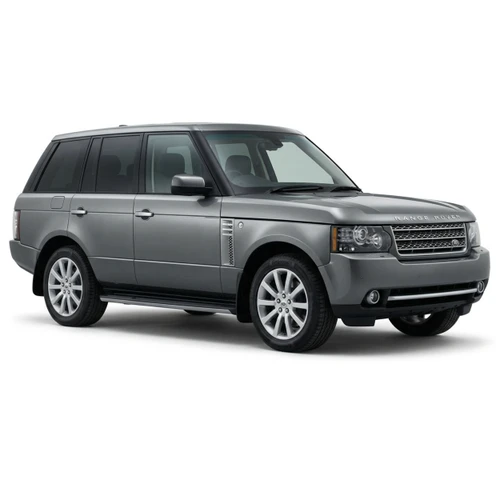
The Range Rover L322 was revealed in 2001 and reached UK customers during 2002 as a completely redesigned replacement for the P38.
It retained familiar Range Rover features including the clamshell bonnet, floating roof, upright glasshouse and horizontally split tailgate, but introduced a much stiffer monocoque body and fully independent suspension.
Every UK L322 was a five-door luxury SUV with permanent four-wheel drive, electronic air suspension and automatic transmission on the majority of vehicles. Engine and drivetrain specifications changed substantially during its long production life.
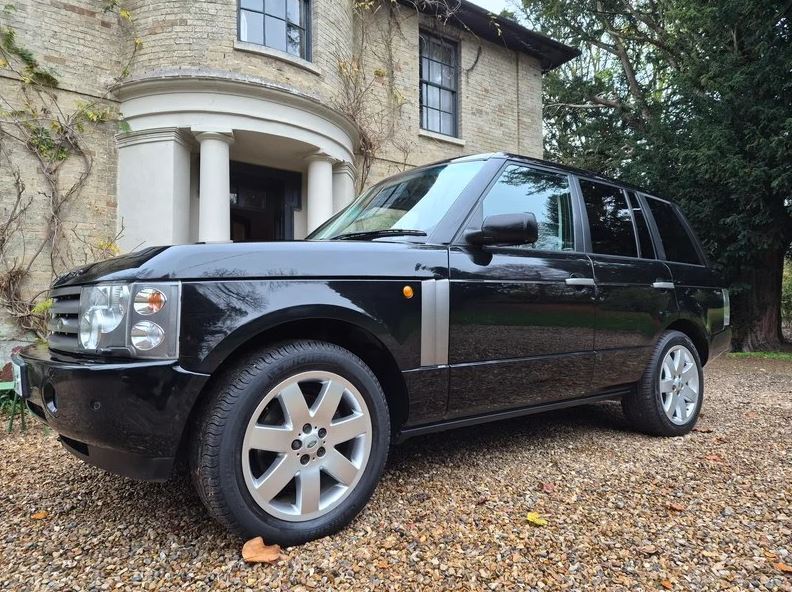
Range Rover L322 Model Development
Although the body shape remained recognisable, engines, gearboxes, electronics, suspension and interior equipment changed extensively.
Early BMW-Era L322
Approximately 2002–2005Early vehicles use the BMW-derived 3.0 Td6 diesel or 4.4-litre petrol V8. They have distinctive early lamps, dashboards, infotainment, engine management and drivetrain components.
First Major Update
Approximately 2006–2009Updated vehicles introduced Jaguar-derived 4.4 and supercharged 4.2 petrol engines, followed by the 3.6-litre TDV8 diesel, Terrain Response and revised exterior and interior equipment.
Final L322 Models
Approximately 2010–2012Final vehicles received 5.0-litre petrol engines, updated styling, revised electronics and later the 4.4-litre TDV8 with an eight-speed automatic gearbox.
Range Rover L322 History
Several major updates altered the L322's engines, transmission, electronics, styling and off-road systems.
The third-generation Range Rover is revealed
The new L322 introduced monocoque construction, independent air suspension and a substantially more spacious and luxurious cabin.
UK sales become established
Early UK vehicles were powered by the BMW-derived 3.0-litre Td6 diesel or 4.4-litre petrol V8, both using automatic transmission.
Jaguar petrol engines arrive
Updated vehicles gained naturally aspirated 4.4-litre and supercharged 4.2-litre Jaguar-derived petrol V8 engines, together with styling and equipment revisions.
TDV8 diesel and Terrain Response
The 3.6-litre twin-turbo TDV8 replaced the earlier Td6. Terrain Response and revised drivetrain electronics were introduced on suitable models.
New 5.0-litre petrol engines
Naturally aspirated and supercharged 5.0-litre petrol V8 engines arrived with updated styling, interior controls and Adaptive Dynamics.
4.4 TDV8 and eight-speed automatic
The final diesel powertrain combined a 4.4-litre TDV8 with an eight-speed automatic gearbox and rotary Drive Select transmission control.
Final editions and end of production
Special editions marked the L322's final year before it was replaced by the lighter, aluminium-bodied Range Rover L405.
Increasingly recognised as a modern classic
Well-maintained L322s remain highly capable and luxurious vehicles, but accurate diagnosis and correct model identification are essential because of their mechanical and electronic complexity.
Monocoque strength and independent air suspension
The L322 replaced the separate chassis and beam axles of earlier Range Rovers with a stiff monocoque structure and fully independent suspension. Height-adjustable air springs provided improved ride comfort, greater wheel travel and automatic changes between access, standard, motorway and off-road heights.
Range Rover L322 Engines
Engine capacity alone is not enough to identify the correct components. Confirm the engine family, production period, transmission and complete VIN.
BMW-Derived Six-Cylinder Diesel
Early diesel vehicles use the 3.0-litre M57 straight-six turbo-diesel. It is normally paired with a five-speed automatic gearbox and differs completely from later TDV8 engines.
Early 4.4-Litre Petrol V8
Early petrol models use the BMW-derived M62 V8. Engine-management, cooling, timing, intake and service parts are specific to this engine family.
Later Naturally Aspirated Petrol V8
Updated vehicles use a Jaguar-derived 4.4-litre petrol engine. Despite sharing its capacity with the early BMW V8, it is a completely different engine.
Supercharged Petrol V8
The supercharged 4.2-litre V8 was fitted to performance and high-specification models. Brakes, cooling, exhaust and driveline components can differ from normally aspirated vehicles.
Twin-Turbo Diesel V8
The 3.6-litre TDV8 introduced substantially greater torque and refinement. Turbocharger, intake, cooling, EGR, fuel and exhaust components are engine specific.
Normally Aspirated Petrol V8
Final-period vehicles could use the direct-injection 5.0-litre petrol V8. Timing, fuel, ignition and cooling components differ from the earlier 4.2 and 4.4 engines.
Supercharged Five-Litre V8
The flagship supercharged 5.0-litre engine produces substantially greater performance and uses model-specific cooling, braking, exhaust and drivetrain components.
Final Twin-Turbo Diesel V8
The final 4.4-litre TDV8 is paired with an eight-speed automatic transmission. It should not be confused with the earlier 3.6 TDV8.
Verify the Exact Powertrain
Engine swaps and registration-year overlaps can cause confusion. Check the VIN, engine appearance, labels and original component number before ordering.
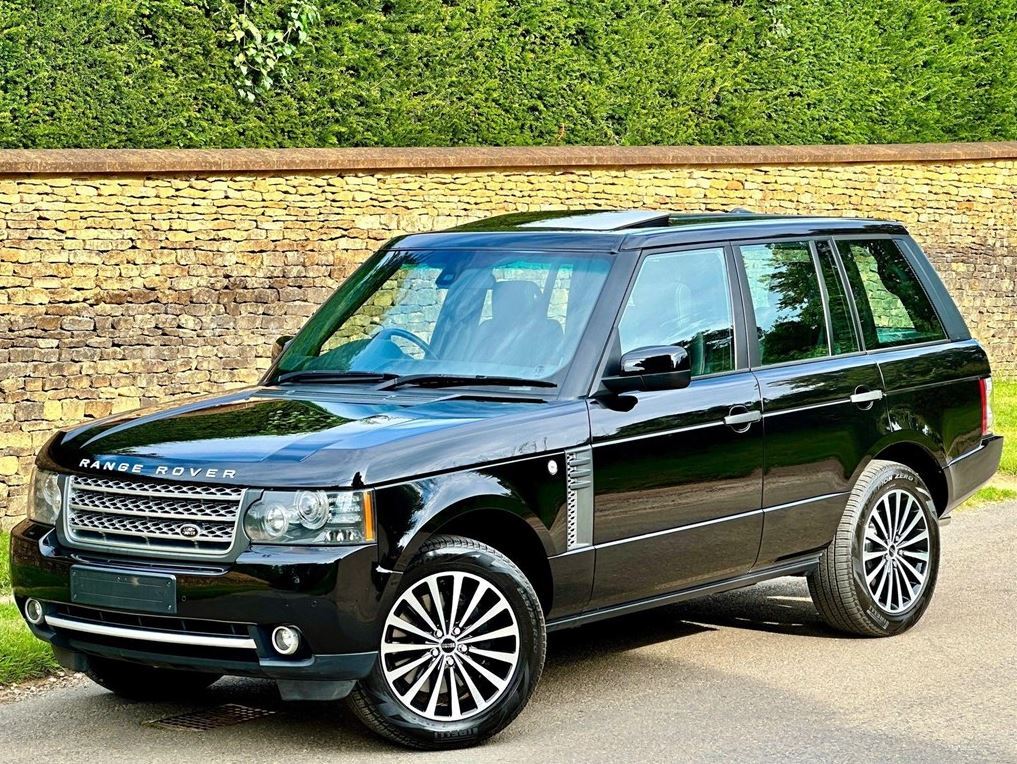
Major updates during production
The L322 received significant updates during 2005–2006 and again for the final 2010-era models. These changes affected engines, gearboxes, transfer cases, Terrain Response, brakes, suspension electronics, lighting, dashboards and infotainment.
Two vehicles with broadly similar bodywork can therefore use entirely different mechanical and electrical parts. The VIN is considerably more reliable than visual appearance when checking compatibility.
Range Rover L322 Vehicle Systems
Air suspension, braking, drivetrain and electrical specifications vary according to production period and engine.
Electronic Air Suspension
The L322 uses independent air suspension with air springs, height sensors, valve blocks, reservoir and compressor. Component design changed during production.
Early and Later Compressors
Different air-suspension compressor types were fitted. Replacement kits may require brackets, wiring or pipe changes depending on the original system.
Independent Suspension
The L322 uses independent suspension rather than the beam axles fitted to earlier Range Rovers. Arms, bushes, hubs and dampers vary by model year.
Permanent Four-Wheel Drive
Every L322 uses permanent four-wheel drive, but transfer cases, differentials, propshafts and control systems changed through production.
Terrain Response
Later vehicles use Terrain Response to coordinate the engine, gearbox, suspension, transfer case and traction systems for different surfaces.
Five, Six and Eight-Speed Gearboxes
Gearbox specification depends on engine and model year. Transmission fluid, filters, pans, coolers and control parts must match the fitted unit.
Different Brake Specifications
Brake discs, pads, calipers and wear sensors vary with engine, wheel size and production period, especially on supercharged models.
Electronic Parking Brake
Later systems include an electrically operated parking brake mechanism. Actuators, cables and rear brake parts should be checked by VIN.
Programming and Diagnostics
Modules, suspension parts, keys, cameras and many electrical components can require coding, calibration or diagnostic reset after installation.
How to Identify Your Range Rover L322
Use the complete VIN, engine family, gearbox and original component information when checking compatibility.
Check the complete VIN
Many L322 parts are divided by exact VIN breakpoints. The VIN also helps identify model year, original engine and production specification.
Identify the engine family
Confirm whether the vehicle has a Td6, TDV8, BMW-derived petrol V8, Jaguar petrol V8 or later five-litre engine.
Confirm the production period
Establish whether the vehicle is an early BMW-era model, a 2005–2009 updated vehicle or a final 2010–2012 specification.
Check the gearbox
Five, six and eight-speed automatic transmissions were fitted. Service and driveline parts must match the exact gearbox.
Inspect the fitted suspension parts
Compressor, valve block, dampers and height sensors changed during production. Previous conversions or updated replacement kits may also be fitted.
Compare the original component
Check labels, casting numbers, electrical connectors, mounting points and dimensions against the replacement listing.
Shop Range Rover L322 Parts
Browse replacement parts, service components and accessories for diesel and petrol Range Rover L322 models.
Range Rover L322 Parts
Browse engine, transmission, braking, air suspension, body, electrical, steering and service components for Range Rover L322 models.
Shop Range Rover L322 PartsLooking for Range Rover L405 Parts?
The L405 replaced the L322 in 2012 and uses a lighter aluminium body, different suspension, engines, drivetrain and electrical architecture.
Shop Range Rover L405 PartsUnsure which Range Rover L322 part you need?
Send us your vehicle registration or complete VIN, engine size, fuel type, gearbox and details of the component being replaced. Please include clear photographs, electrical connector details and any numbers from the original part. This is particularly important because several major mechanical and electrical changes occurred during L322 production.