
Range Rover P38 Information
Range Rover P38 Information
Explore the engines, trims, electronic air suspension, drivetrain, braking and electrical systems of the second-generation Range Rover, commonly known as the P38A.
The Range Rover P38A
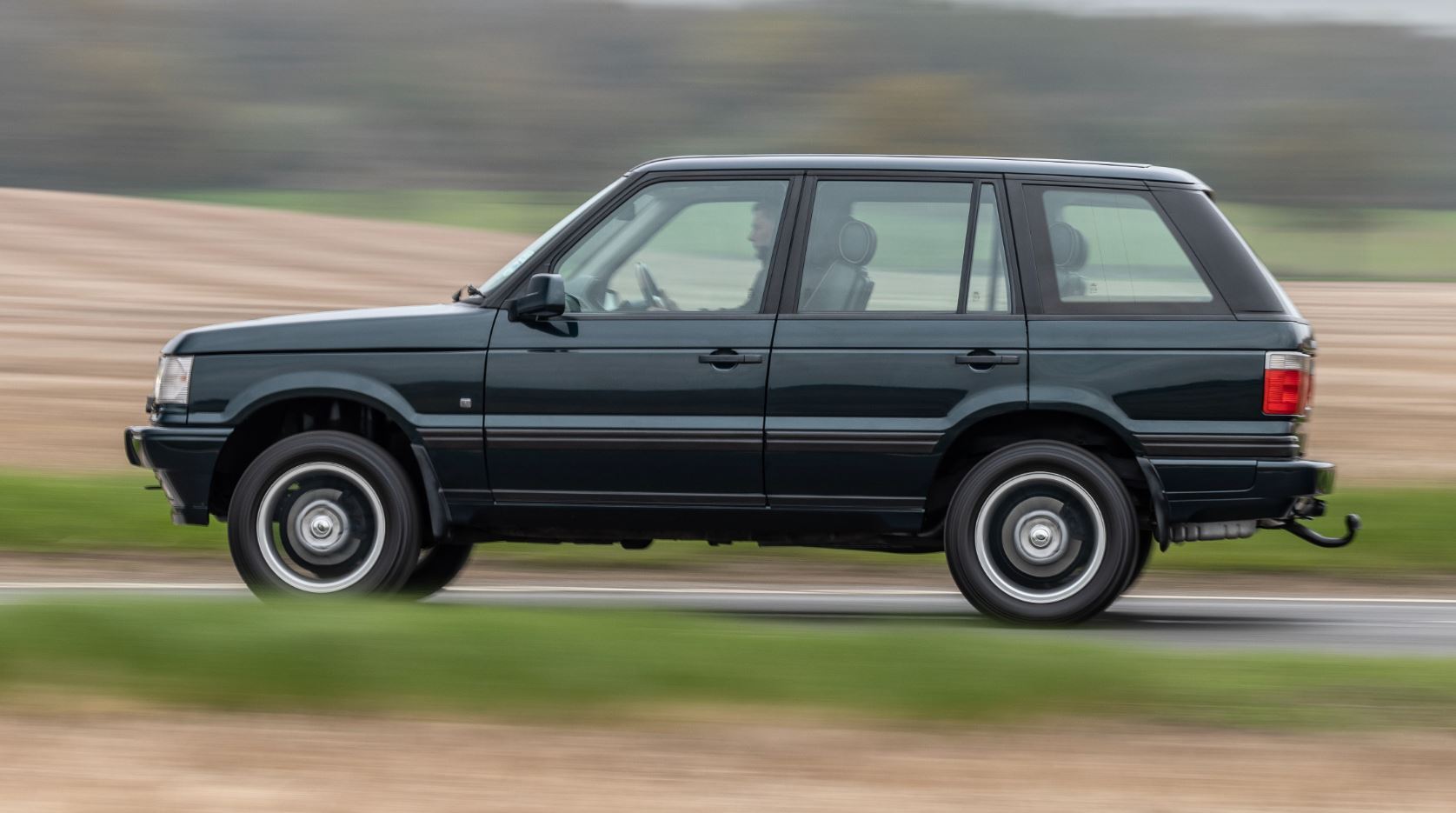
The second-generation Range Rover was introduced in 1994 as the replacement for the original Range Rover Classic. It is normally referred to as the P38 or P38A, a designation associated with the Solihull development building in which the vehicle was created.
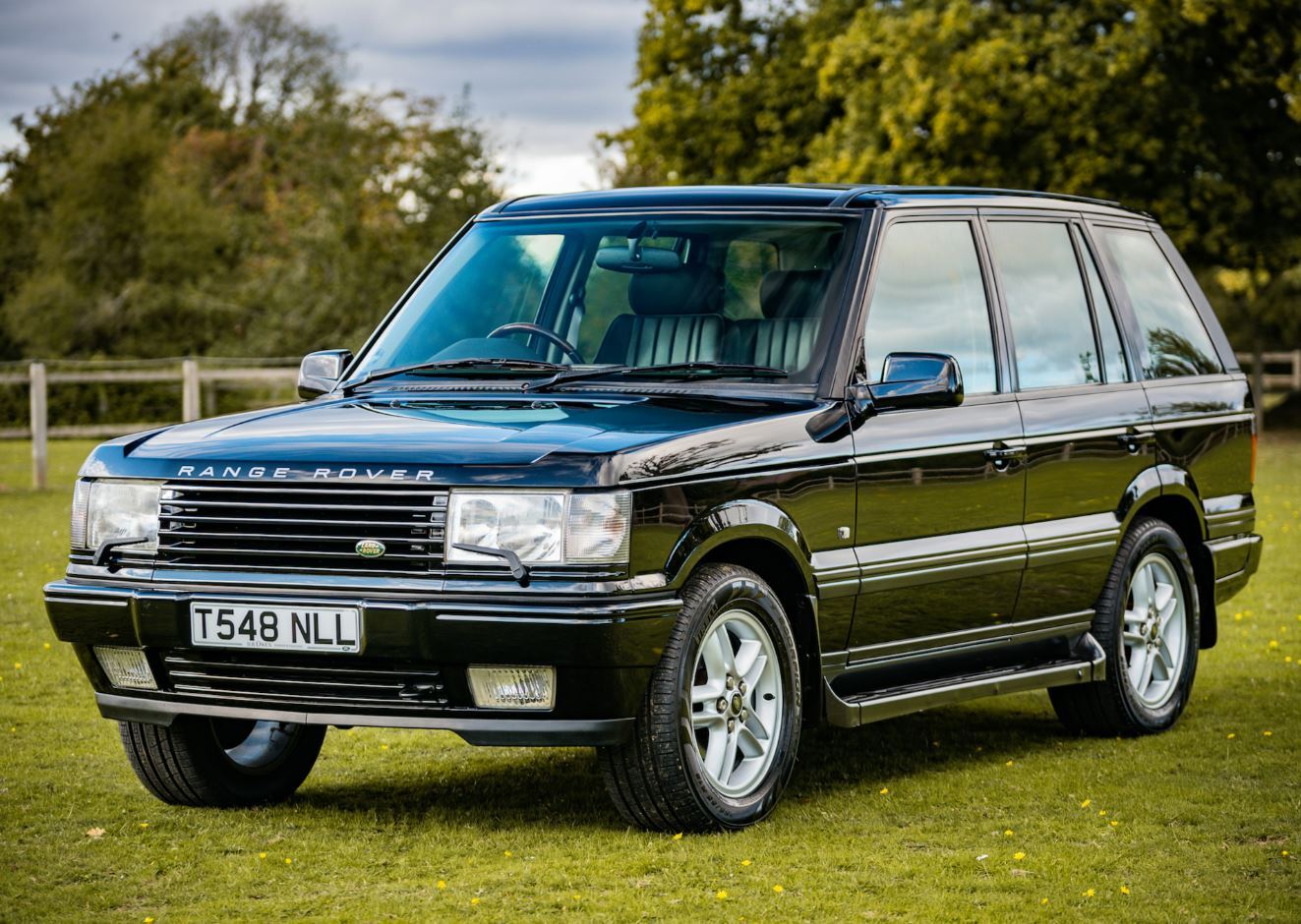
The P38 retained unmistakable Range Rover features, including a floating roof, clamshell bonnet, continuous waistline, upright glasshouse and horizontally split tailgate. Its smoother bodywork and more luxurious interior nevertheless gave it a distinctly more modern appearance.
Underneath, the vehicle retained a separate chassis, beam axles and permanent four-wheel drive. Electronic air suspension, anti-lock braking, electronic traction control and extensive body electronics gave the P38 far greater technical complexity than its predecessor.
Range Rover P38 Model Types
Every P38 uses a five-door body and standard wheelbase, but engine, trim, gearbox, braking and electrical equipment vary considerably.
2.5 DT and DSE
Six-cylinder turbo dieselDiesel models use the BMW-derived 2.5-litre M51 engine. DT and DSE trim specifications differ, while manual and automatic transmissions were available depending on model and market.
4.0 SE
Four-litre Rover V8The 4.0-litre V8 offered petrol performance with a slightly smaller engine than the flagship 4.6. Early and late vehicles use different engine-management systems.
4.6 HSE
Flagship Rover V8The 4.6-litre V8 was normally paired with automatic transmission and higher equipment levels. Cooling, engine-management and transmission parts require careful model identification.
Vogue and Autobiography
Luxury and bespoke modelsHigher specifications could include upgraded leather, wood trim, audio, navigation, climate control and individual colour combinations. Equipment varies by model year and market.
Range Rover P38 History
The P38 was produced during a period of rapid development in engine management, security, communications and vehicle electronics.
The P38A is introduced
The second-generation Range Rover arrived with a new five-door body, upgraded chassis, electronic air suspension and a significantly more luxurious interior.
UK sales become established
The principal UK engine range consisted of the BMW-derived 2.5 turbo diesel and 4.0 or 4.6-litre Rover V8 petrol engines.
The Range Rover Classic ends
Production of the preceding Classic finished, leaving the P38 as the sole full-size Range Rover and marking the complete transition to the second generation.
Later V8 engine management
Later V8 vehicles adopted Bosch engine management and a visibly different intake system, commonly described as the Thor arrangement. Many engine and electrical parts differ from earlier GEMS vehicles.
Final specification updates
Later vehicles received continuing trim, audio, navigation, security and electrical revisions. Exact equipment can vary even between vehicles registered in the same year.
The P38 gives way to the L322
P38 production ended as the third-generation L322 was introduced. Some remaining P38 vehicles were sold or registered into 2002.
Permanent four-wheel drive and adjustable ride height
The P38 combines permanent four-wheel drive, a chain-driven transfer case, beam axles and electronic traction control with height-adjustable electronic air suspension. The system provides motorway, standard, off-road and access ride heights according to vehicle speed and driver selection.
Range Rover P38 Engines
Confirm the engine capacity, fuel type and engine-management system before ordering service, cooling, ignition, fuel or exhaust components.
BMW M51 Turbo Diesel
The P38 diesel uses a 2.5-litre straight-six, electronically controlled turbo-diesel engine. Cooling, fuel-injection, turbocharger and service parts are specific to this engine.
Early 4.0-Litre Rover V8
Earlier 4.0-litre petrol vehicles use GEMS engine management. The inlet manifold, sensors, ignition and wiring differ from later Bosch-managed engines.
Early 4.6-Litre Rover V8
The larger 4.6-litre V8 provides greater performance and was commonly fitted to HSE models. Internal and external engine parts must match the correct capacity.
Later 4.0-Litre Thor V8
Later 4.0 models use Bosch engine management with the distinctive curved intake manifold often called Thor. Many electrical, fuel and intake parts changed.
Later 4.6-Litre Thor V8
Later 4.6 vehicles combine the larger Rover V8 with Bosch management. Cooling-system condition and exact engine specification should be checked carefully.
Identify the Intake System
Early and late V8 systems are visibly different. Do not select components solely by engine capacity or registration year; check the intake and VIN.
Manual Transmission Models
Selected diesel and 4.0-litre models were available with manual transmission. Clutch, flywheel, gearbox and driveline parts differ from automatic vehicles.
Automatic Transmission Models
Most UK P38s use a four-speed ZF automatic gearbox. Transmission specification and torque capacity vary according to engine and model.
Check the Fitted Engine
Replacement engines and major rebuilds are common. Check the engine number, capacity, intake system and visible component arrangement before ordering.
BeCM and integrated electrical systems
The Body Electrical Control Module, commonly abbreviated to BeCM, coordinates many P38 functions including security, central locking, windows, seats, lighting and communications with other control modules.
Replacement electronic components may require programming, synchronisation or configuration. Battery condition, water ingress, wiring faults and poor connections can also cause symptoms that appear to be a failed control module.
Range Rover P38 Vehicle Systems
Air suspension, brakes, engine management, security and transmission specifications must be checked by VIN and fitted equipment.
Electronic Air Suspension
The EAS system uses four air springs, height sensors, valve block, compressor, air reservoir and electronic control to adjust and maintain vehicle height.
Air Suspension Compressor
The compressor supplies pressurised air to the reservoir. A weak compressor may be caused by internal wear, air leaks or excessive system running time.
Valve Block and Air Springs
Valve-block seals and ageing air springs can allow the vehicle to settle. Diagnose the source of leaks before replacing major system components.
BorgWarner Transfer Case
The P38 uses permanent four-wheel drive through a chain-driven transfer case with a viscous coupling. Chain, bearings and coupling condition affect operation.
Beam Axles and Differentials
Live axles are used front and rear. Halfshafts, differentials, hubs and axle components should be checked against VIN, engine and braking specification.
ABS and Traction Control
The braking system supports anti-lock braking and electronic traction control. Sensors, modulators and related components differ from earlier Range Rovers.
Heating and Blend Motors
The climate-control system uses electric blend and distribution motors. Faults can affect temperature, airflow direction or the ability to select fresh and recirculated air.
Security and Key Programming
Keys, remote controls, immobilisation and BeCM operation are linked. Replacement or lost-key procedures may require suitable diagnostic and programming equipment.
Diagnostic Equipment
Many P38 systems store faults and live data. Suitable Land Rover-compatible diagnostic equipment can be essential for accurate testing and configuration.
How to Identify Your Range Rover P38
Use the complete VIN, engine, gearbox, engine-management system and original component details before ordering.
Check the complete VIN
Many P38 components are separated by exact VIN breakpoints. The VIN also helps identify production period and original vehicle specification.
Confirm diesel or V8 petrol
Establish whether the vehicle has the 2.5 diesel or a 4.0 or 4.6-litre Rover V8 before selecting engine, cooling or transmission parts.
Identify GEMS or Bosch Thor
V8 engine-management systems changed during production. Check the intake manifold, connectors, sensors and VIN rather than relying only on registration year.
Confirm manual or automatic
Gearbox, flywheel, clutch, cooler, selector and driveline parts differ between manual and automatic vehicles.
Check brake and suspension parts
Confirm disc size, caliper type, ABS specification, air spring position and any previous suspension conversion.
Compare the original component
Check labels, casting numbers, electrical connectors, dimensions and mounting points against the replacement product information.
Shop Range Rover P38 Parts
Browse replacement parts, service components, accessories and upgrades for diesel and V8 Range Rover P38 models.
Range Rover P38 Parts
Browse engine, transmission, braking, air suspension, body, electrical, steering and service components for Range Rover P38 models.
Shop Range Rover P38 PartsLooking for Range Rover L322 Parts?
The L322 is the third-generation Range Rover and uses a completely different body, independent suspension, engines, drivetrain and electrical system.
Shop Range Rover L322 PartsUnsure which Range Rover P38 part you need?
Send us your vehicle registration or complete VIN, engine size, fuel type, gearbox and details of the component being replaced. For V8 vehicles, please also confirm whether the engine uses the early GEMS or later Bosch Thor intake system. Clear photographs, connector details and numbers from the original part can help us check likely fitment.