
Range Rover Sport L320 Information
Range Rover Sport L320 Information
Explore the engines, model-year changes, electronic air suspension, Dynamic Response, drivetrains and important identifying features of the first-generation Range Rover Sport.
The Range Rover Sport L320
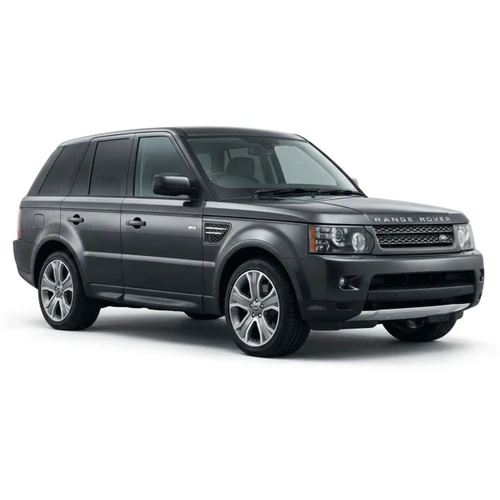
The Range Rover Sport L320 was introduced in 2005 as a new, more driver-focused addition to the Range Rover family. Its lower roofline, more steeply angled windscreen, muscular wheelarches and cockpit-style interior gave it a noticeably sportier character than the full-size Range Rover.
Despite its name and styling, the L320 was not simply a shortened Range Rover L322. It used an integrated body-frame platform closely related to the Discovery 3, with fully independent suspension, permanent four-wheel drive and an electronically controlled twin-speed transfer case.
Every L320 has a five-door, five-seat body. UK engine choices included 2.7 and 3.0-litre V6 diesels, 3.6-litre V8 diesel and naturally aspirated or supercharged petrol V8 engines.
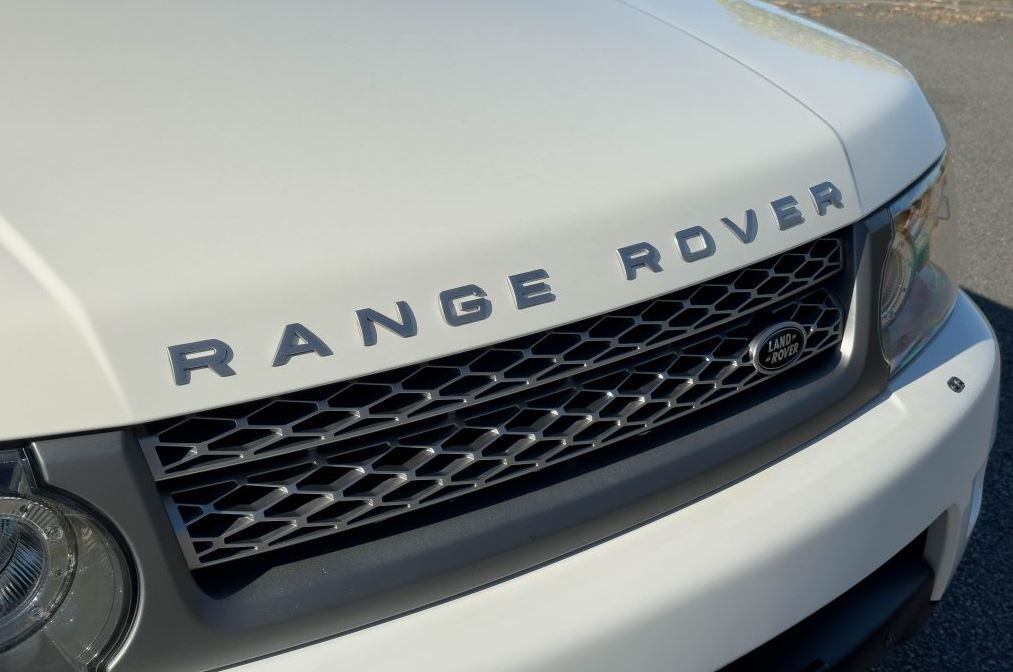
Range Rover Sport L320 Model Development
Styling, engines, brakes, electronics and interior equipment changed substantially during production.
Early L320
Approximately 2005–2008Early vehicles have the original front and rear styling, dashboard and infotainment system. UK engines included the 2.7 TdV6, 4.4 petrol V8 and 4.2 Supercharged V8.
3.6 TdV8 Period
Approximately 2007–2009The 3.6-litre twin-turbo TdV8 introduced greater diesel performance and torque. Engine, cooling, brakes and drivetrain components differ from 2.7 TdV6 models.
Facelift L320
Approximately 2010–2013The major update introduced new front and rear styling, a redesigned interior, 3.0 TdV6 and SDV6 diesel engines and a 5.0-litre Supercharged petrol V8.
Range Rover Sport L320 History
The first Range Rover Sport developed rapidly, with major changes to engines, technology, styling and cabin design.
The production model is revealed
The Range Rover Sport was previewed following the Range Stormer concept, with Dynamic Response, Terrain Response and a performance-focused chassis central to its design.
Range Rover Sport reaches customers
The initial UK range included the 2.7-litre TdV6 diesel, naturally aspirated petrol V8 and flagship 4.2-litre Supercharged V8.
3.6 TdV8 joins the range
The twin-turbo diesel V8 added substantially greater torque and refinement, creating a powerful alternative to the petrol V8 models.
Major update is announced
New engines, revised body styling, an extensively redesigned dashboard and updated vehicle electronics were introduced for the 2010 model year.
3.0 TdV6 and 5.0 Supercharged arrive
The sequential-turbo 3.0-litre diesel replaced the earlier 2.7, while the supercharged 5.0-litre petrol V8 replaced the 4.2-litre engine.
Diesel range is revised
Different-output 3.0-litre diesel versions were offered, while the 3.6 TdV8 was discontinued from the updated range.
Final specification updates
Later models received continuing infotainment, instrument, trim and equipment revisions before the end of first-generation production.
The L494 replaces the L320
The second-generation Range Rover Sport introduced a lighter aluminium structure, different suspension, revised seating options and a completely new parts range.
Terrain Response, low range and permanent four-wheel drive
The L320 combines permanent four-wheel drive with an electronically controlled twin-speed transfer case, independent suspension and Terrain Response. Depending on specification, the vehicle can also use Dynamic Response active anti-roll control and an electronic rear differential to improve both road handling and off-road traction.
Range Rover Sport L320 Engines
Confirm the precise engine, production period and VIN before ordering service, cooling, fuel, turbocharger, exhaust or transmission components.
Early V6 Diesel
The 2.7-litre twin-turbo diesel was widely fitted to early L320 models. Fuel, turbocharger, EGR, cooling and exhaust parts differ from the later 3.0-litre engine.
Later Sequential-Turbo Diesel
The facelift introduced a more powerful 3.0-litre sequential-turbo diesel. Different power outputs and emissions specifications were produced.
Higher-Output V6 Diesel
SDV6 versions use a higher-output development of the 3.0-litre diesel. Some components are shared with TdV6 models, while others differ by output and model year.
Twin-Turbo Diesel V8
The 3.6-litre TdV8 provides strong torque and refinement. Turbochargers, intake, cooling, fuel, exhaust, brakes and driveline parts can be specific to this engine.
Naturally Aspirated Petrol V8
Selected early vehicles use a naturally aspirated 4.4-litre Jaguar-derived petrol V8. It differs from the BMW-derived 4.4 engine fitted to early L322 models.
Early Supercharged Petrol V8
The flagship early engine is the supercharged 4.2-litre V8. It uses model-specific cooling, intake, exhaust, braking and suspension components.
Facelift Supercharged Petrol V8
The 5.0-litre direct-injection Supercharged V8 replaced the earlier 4.2. Engine, fuel, cooling and exhaust parts are completely different.
Automatic Transmission
L320 models use six-speed automatic transmissions, but gearbox specification, torque capacity, oil, filters, pans and control components vary by engine.
Verify the Exact Powertrain
Model-year overlaps and replacement engines can cause confusion. Check the VIN, engine appearance, labels and original component number before ordering.
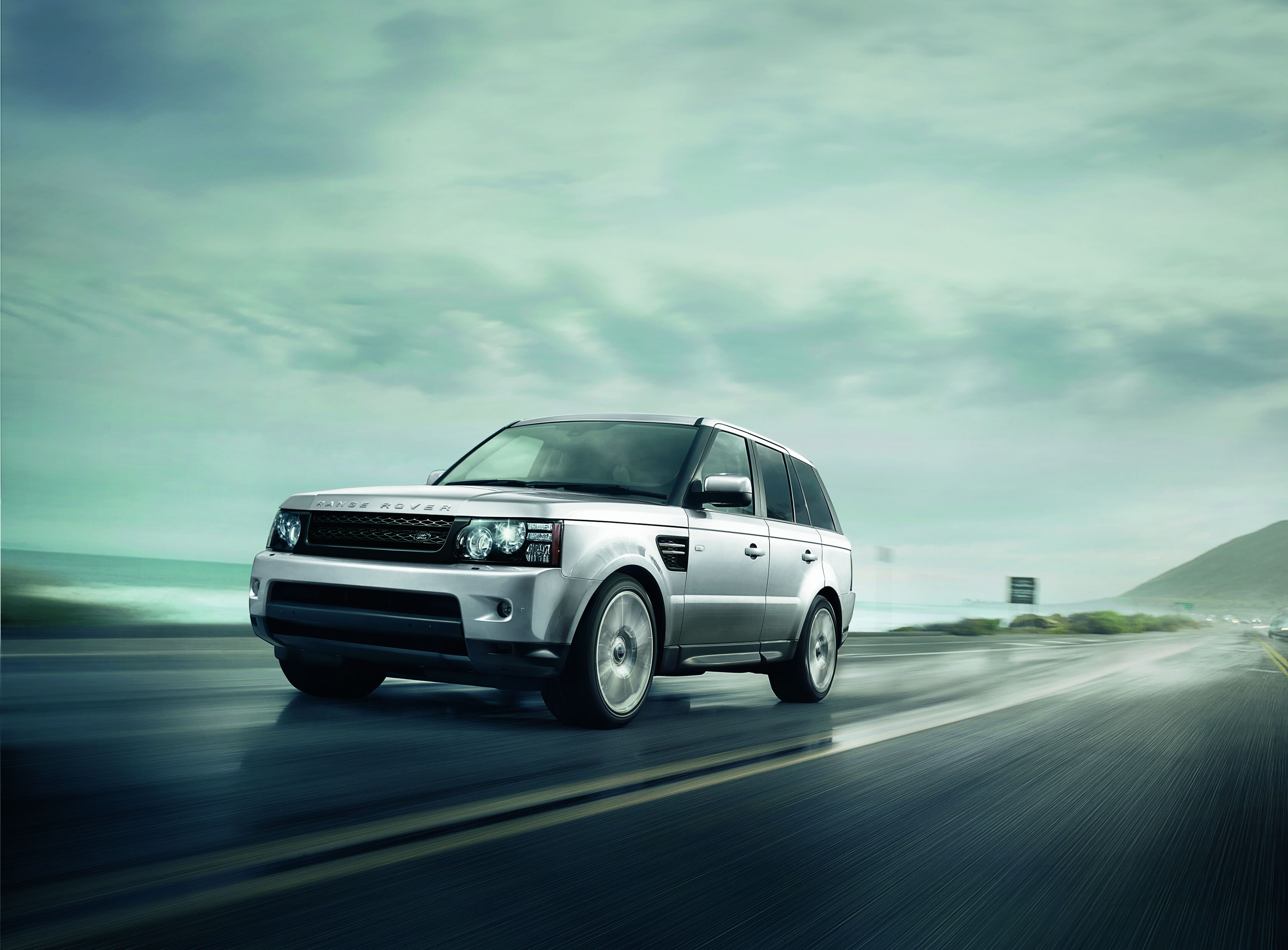
The 2010 model-year update
The updated L320 received revised headlights, grille, bumpers and rear lamps, together with an extensively redesigned dashboard, instruments, centre console and infotainment system.
Mechanical changes included the introduction of the 3.0-litre diesel and 5.0-litre Supercharged petrol engines. Many body, electrical, cooling, engine and interior parts therefore differ between early and facelift vehicles.
Range Rover Sport L320 Vehicle Systems
Suspension, brakes, drivetrain and electrical equipment vary according to engine, model year and trim specification.
Integrated Body-Frame Structure
The L320 uses a strong integrated body-frame construction rather than the separate chassis of older Range Rovers or the aluminium monocoque of the later L494.
Electronic Air Suspension
Air springs, dampers, height sensors, valve blocks, reservoir and compressor provide automatic levelling and selectable access, normal and off-road heights.
Dynamic Response
Suitable vehicles use hydraulically controlled active anti-roll bars to reduce body roll. Pipes, valve blocks, pumps and anti-roll bars are system specific.
Permanent Four-Wheel Drive
The L320 uses permanent four-wheel drive with an electronically controlled centre differential and selectable high and low ranges.
Electronic Rear Differential
Some vehicles have an electronically controlled locking rear differential. Complete units, motors, wiring and control components differ from open differentials.
Terrain Response
Terrain Response coordinates engine, gearbox, transfer case, suspension and traction-control settings for different road and surface conditions.
Standard or Brembo Brakes
Brake discs, pads and calipers vary by engine and specification. Supercharged and certain high-output models use larger Brembo front brakes.
Electronic Parking Brake
The parking brake uses an electric actuator operating internal rear drum shoes. Actuator, cables, shoes and rear disc specification must be checked.
Programming and Calibration
Many suspension, braking, steering and electrical components require diagnostic resetting, calibration or programming following installation.
How to Identify Your Range Rover Sport L320
Use the complete VIN, engine, model period, brake system and original component details when checking compatibility.
Check the complete VIN
Many L320 components are divided by exact VIN breakpoints. The VIN helps identify model year, original engine and factory specification.
Identify the exact engine
Confirm whether the vehicle has a 2.7 or 3.0 V6 diesel, 3.6 V8 diesel or one of the petrol V8 engines.
Confirm early or facelift specification
The 2010 model-year update changed the body styling, dashboard, engines, lighting and many electrical components.
Check standard or Brembo brakes
Compare caliper type and disc size before ordering. Similar-looking vehicles can use different brake components.
Confirm suspension and differential equipment
Establish whether Dynamic Response and an electronic rear differential are fitted before selecting related parts.
Compare the original component
Check labels, casting numbers, electrical connectors, dimensions and mounting points against the replacement product information.
Shop Range Rover Sport L320 Parts
Browse replacement parts, service components and accessories for diesel and petrol Range Rover Sport L320 models.
Range Rover Sport L320 Parts
Browse engine, transmission, braking, air suspension, body, electrical, steering and service components for first-generation Range Rover Sport models.
Shop Range Rover Sport L320 PartsLooking for Range Rover Sport L494 Parts?
The L494 replaced the L320 in 2013 and uses a lighter aluminium body, different suspension, engines, drivetrain and electrical architecture.
Shop Range Rover Sport L494 PartsUnsure which Range Rover Sport L320 part you need?
Send us your vehicle registration or complete VIN, engine size, model year and details of the component being replaced. Please also confirm the brake caliper type and whether Dynamic Response or an electronic rear differential is fitted where relevant. Clear photographs, connector details and numbers from the original component can help us check likely fitment.