
Range Rover Velar Information
Range Rover Velar Information
Explore the Range Rover Velar L560, including its diesel, petrol and hybrid engines, suspension options, drivetrains, model updates and important parts-identification details.
The Range Rover Velar L560
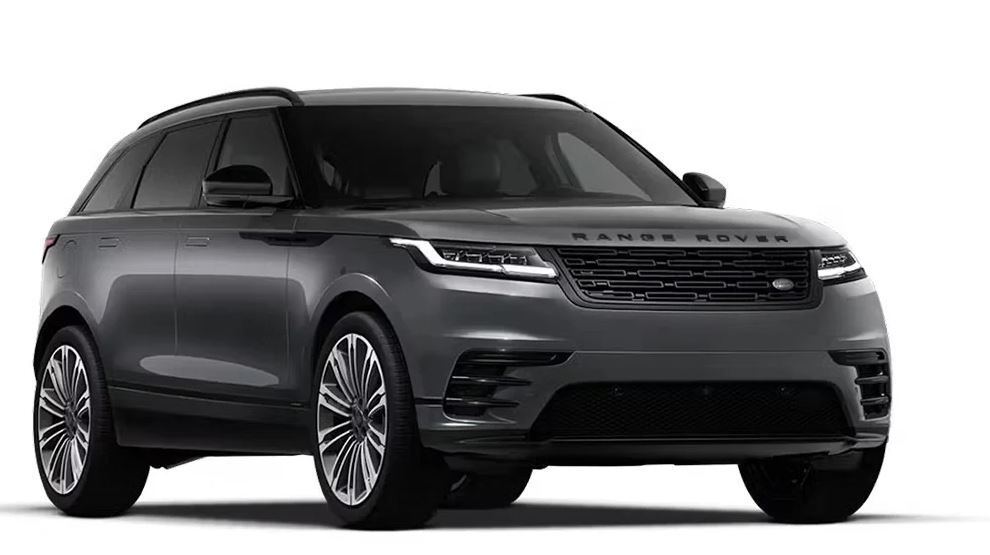
The Range Rover Velar was revealed in 2017 and positioned between the compact Range Rover Evoque and the larger Range Rover Sport. Its L560 model code distinguishes it from other Range Rover generations.
The Velar uses an aluminium-intensive monocoque platform with fully independent suspension and a longitudinal engine layout. Its low roofline, short front overhang, flush deployable door handles and clean body surfaces created a particularly distinctive appearance.
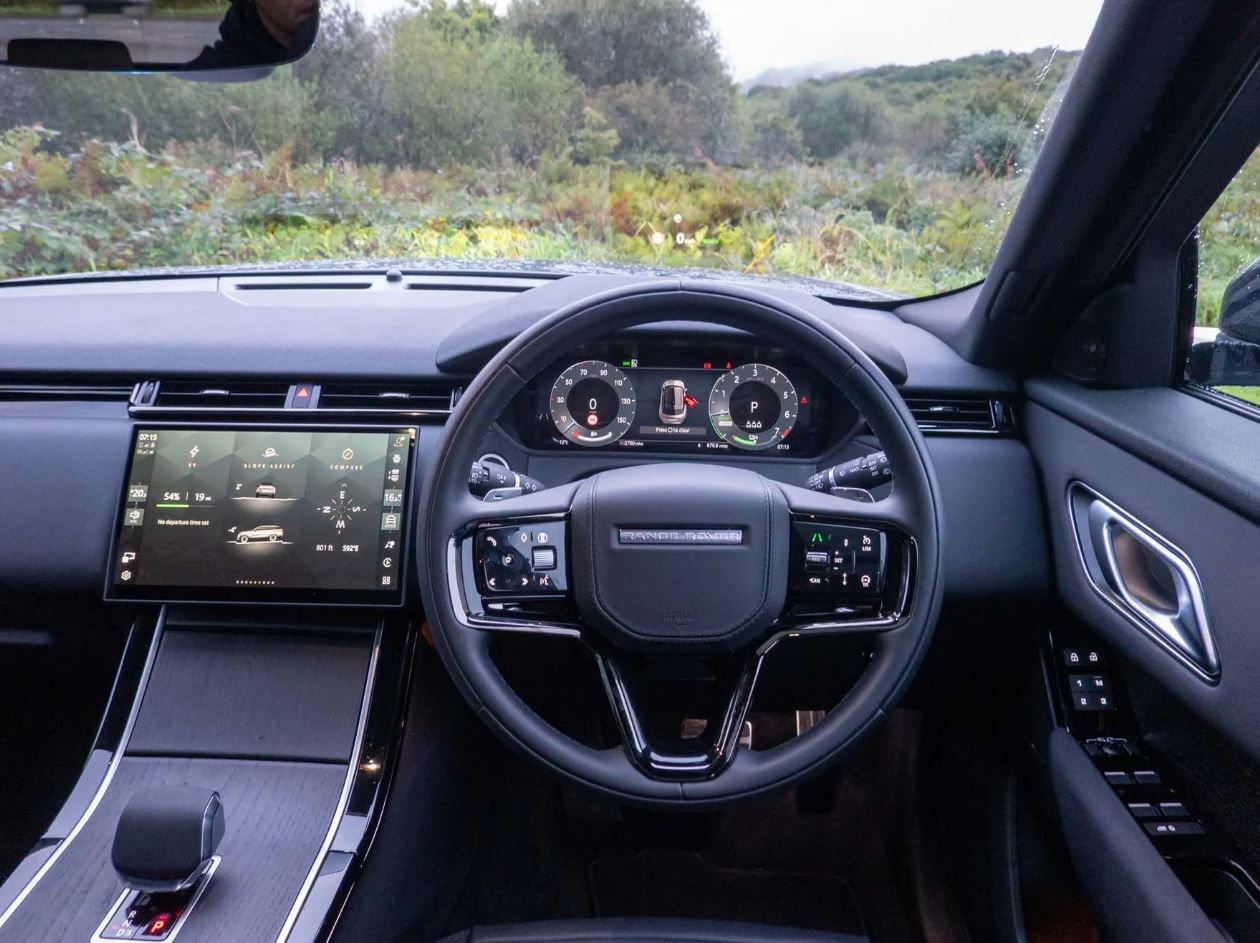
Inside, the original vehicle introduced the Touch Pro Duo twin-screen control system and a minimalist dashboard. Later models adopted Pivi Pro infotainment and simplified interior controls.
Range Rover Velar Model Types
Exterior trim, suspension, brakes, wheels and interior equipment vary according to model year and specification.
Velar and Velar S
Core model specificationsStandard and S models combine the principal Velar body design with a range of diesel and petrol engines. Equipment varies by year, engine and optional features.
Velar SE and HSE
Higher luxury specificationsSE and HSE models can include upgraded lighting, wheels, seats, audio, driver assistance and interior trim. Exact equipment should be checked from the vehicle.
R-Dynamic
Sportier exterior and interior treatmentR-Dynamic versions use distinctive bumpers, side trim, wheels, interior finishes and badging. Some body and trim parts differ from non-R-Dynamic vehicles.
SVAutobiography Dynamic
Supercharged V8 performance modelThe limited-production SVAutobiography Dynamic uses a supercharged 5.0-litre V8 with model-specific brakes, exhaust, cooling, suspension, wheels and body styling.
Range Rover Velar History
The Velar has received important powertrain, infotainment, interior and exterior updates since its introduction.
The Range Rover Velar is revealed
The new model debuted with flush door handles, Touch Pro Duo screens and a range of four-cylinder and six-cylinder diesel and petrol engines.
UK sales become established
Velar became established between the Evoque and Range Rover Sport, with S, SE, HSE and R-Dynamic specifications offered across the range.
SVAutobiography Dynamic Edition
The high-performance model introduced a supercharged 5.0-litre V8, enlarged brakes, unique exhaust, revised suspension and distinctive body detailing.
Pivi infotainment and electrified engines
A major technical update brought Pivi and Pivi Pro, straight-six mild-hybrid engines and the P400e plug-in-hybrid powertrain.
Velar HST joins the range
The HST combined sportier styling and chassis details with powerful P400 petrol or D300 diesel mild-hybrid engines in suitable markets.
Exterior and interior design update
Revised lights, grille, interior materials and a new single curved touchscreen refreshed the Velar, while the P400e received an enlarged traction battery.
Permanent all-wheel drive and Terrain Response
Most Velar models use an electronically controlled all-wheel-drive system with Intelligent Driveline Dynamics and Terrain Response. Depending on specification, the vehicle may also use electronic air suspension, Adaptive Dynamics and an active rear differential.
Range Rover Velar Engines
Engine availability varies by model year and market. Confirm the complete VIN, engine badge and production period before ordering.
Four-Cylinder Ingenium Diesel
Lower-output diesel models use a 2.0-litre Ingenium engine. Later D200 versions can include 48-volt mild-hybrid technology and differ from earlier D180 vehicles.
Twin-Turbo Four-Cylinder Diesel
The D240 uses a higher-output 2.0-litre diesel configuration. Turbocharger, cooling, emissions and engine-management parts should be checked carefully.
Six-Cylinder Diesel
Early six-cylinder diesel models use a 3.0-litre V6, while later D300 vehicles use an Ingenium straight-six mild hybrid. These are completely different engines.
Four-Cylinder Ingenium Petrol
Turbocharged 2.0-litre petrol engines were offered in several outputs. Fuel, ignition, cooling and emissions equipment varies by model year and output.
Supercharged Petrol V6
Early high-output petrol models use a supercharged 3.0-litre V6. Intake, ignition, exhaust and cooling components differ from the later P400 straight-six.
Petrol Straight-Six Mild Hybrid
The P400 uses a turbocharged and electrically assisted 3.0-litre Ingenium straight-six petrol engine with a 48-volt mild-hybrid system.
Plug-In Hybrid
The P400e combines a 2.0-litre petrol engine, electric motor and high-voltage traction battery. Charging, cooling, braking and drivetrain parts are hybrid specific.
SVAutobiography Supercharged V8
The limited-production SVAutobiography Dynamic uses a supercharged 5.0-litre V8 with unique cooling, exhaust, brake and chassis components.
Automatic Transmission
Velar models use an eight-speed automatic gearbox, but transmission specification, cooling and service parts vary according to engine and production period.
Touch Pro Duo, Pivi Pro and changing electronics
Early Velars use the Touch Pro Duo system with separate upper and lower touchscreens. The 2021 model-year update introduced Pivi or Pivi Pro, while the 2023 update moved many controls to a single curved display.
Screens, control panels, modules, wiring and software are therefore highly dependent on production date and original specification. Replacement electronic parts may require programming or configuration.
Range Rover Velar Vehicle Systems
Suspension, brakes, drivetrain and electronics vary according to engine, model year, wheel size and trim.
Aluminium-Intensive Monocoque
The Velar uses an aluminium-intensive monocoque body structure. Structural repair procedures and body fasteners differ from older steel-bodied vehicles.
Coil-Spring Suspension
Selected four-cylinder and lower-specification models use conventional coil springs. Springs and dampers vary according to engine and vehicle specification.
Electronic Air Suspension
Suitable higher-specification and six-cylinder models use height-adjustable air suspension with air springs, compressor, valve block and height sensors.
Adaptive Dynamics
Suitable models continuously adjust damper behaviour. Adaptive and conventional dampers should not be confused when ordering replacements.
All-Wheel Drive
Most Velars use electronically controlled all-wheel drive, but transfer units, differentials and propshafts vary according to engine and specification.
Active Rear Differential
Some higher-output models use an electronically controlled active rear differential. Complete units and control components must match the fitted system.
Different Brake Specifications
Brake discs, pads and calipers vary by engine, wheel size and performance level. SVAutobiography models use substantially uprated brakes.
Deployable Door Handles
The flush door handles use electric deployment mechanisms, switches, wiring and control functions. Individual door and production specifications matter.
Programming and Calibration
Lamps, cameras, modules, suspension components, steering parts and sensors may require coding, calibration or diagnostic resetting after installation.
How to Identify Your Range Rover Velar
Use the complete VIN, engine designation, suspension type, model year and original component details.
Check the complete VIN
Many Velar components are divided by exact VIN breakpoints. The VIN also identifies production details and original vehicle specification.
Identify the exact engine
Confirm the engine badge, fuel type, cylinder configuration and whether mild-hybrid or plug-in-hybrid equipment is fitted.
Check coil or air suspension
Do not assume every Velar has air suspension. Inspect the fitted system or verify the original build specification.
Confirm the model-year generation
Early Touch Pro Duo, 2021 Pivi and 2023 single-screen vehicles use different controls, modules and interior parts.
Check standard or R-Dynamic body trim
Bumpers, grilles, finishers and interior details can differ between standard, R-Dynamic and performance versions.
Compare the original component
Check labels, casting numbers, electrical connectors, dimensions and mounting points against the replacement product information.
Shop Range Rover Velar Parts
Browse replacement parts and accessories for diesel, petrol, mild-hybrid and plug-in-hybrid Range Rover Velar models.
Range Rover Velar Parts
Browse engine, drivetrain, braking, suspension, body, electrical, heating and cooling components for Range Rover Velar L560 models.
Shop Range Rover Velar PartsBrowse Other Range Rover Parts
Looking for parts for a Range Rover Classic, P38, L322, L405 or another Range Rover generation? Browse the complete Range Rover vehicle range.
Browse Range Rover PartsUnsure which Range Rover Velar part you need?
Send us your vehicle registration or complete VIN, engine designation, model year and details of the component being replaced. Please also confirm whether the vehicle has coil or air suspension and whether it is a conventional, mild-hybrid or plug-in-hybrid model where relevant. Clear photographs, connector details and numbers from the original component can help us check likely fitment.