


Land Rover Discovery 3 Information
Land Rover Discovery 3 Information
Explore the history, engines, suspension systems and major features of the Land Rover Discovery 3, produced from 2004 until 2009.
The Land Rover Discovery 3
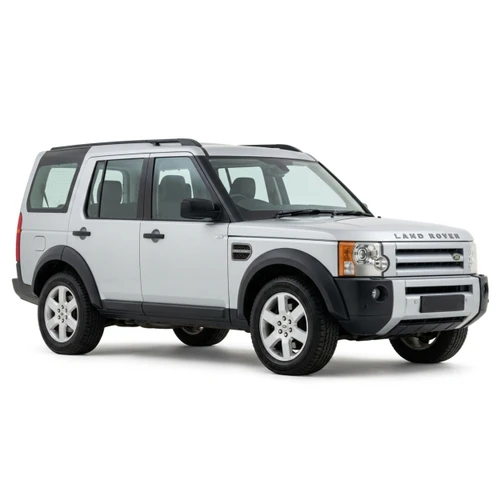
The Land Rover Discovery 3 was launched in 2004 as a completely redesigned replacement for the Discovery 2. Although it retained recognisable Discovery styling cues, including the stepped roof and asymmetric rear tailgate, almost every major mechanical and structural system was new.
The vehicle used Land Rover's Integrated Body Frame construction, combining elements of a separate chassis with a rigid body structure. Fully independent suspension replaced the live axles used on earlier Discovery models, giving the Discovery 3 considerably improved road manners, interior space and refinement.
The redesigned cabin offered a practical seven-seat layout in which all rear seats could fold into the floor. Access to the third row was through the rear passenger doors, rather than through the tailgate as on earlier Discoverys.

Discovery 3 Model Types
Discovery 3 vehicles were sold with different engines, transmissions, seating arrangements and suspension systems. Confirm the actual specification before ordering parts.
Some lower-specification and commercial vehicles were supplied with five seats and a larger uninterrupted rear load area. Interior trim, seat components and some rear floor parts differ from seven-seat vehicles.
Seven-seat models use two forward-facing third-row seats that fold into the rear floor. The second-row seats also fold individually, creating a long and nearly flat load area when required.
Commercial Discovery 3 models were produced with a load-focused rear interior and model-specific trim. Do not assume that passenger-model interior, glazing or seating components will be suitable.
Land Rover Discovery 3 History
The Discovery 3 represented one of the largest changes between two successive generations in Land Rover's history.
The Discovery 3 is launched
The new Discovery entered production with Integrated Body Frame construction, fully independent suspension, a redesigned seven-seat cabin and the new Terrain Response system.
The new model becomes established
UK buyers predominantly chose the 2.7-litre TDV6 diesel, available with either six-speed manual or six-speed automatic transmission. A 4.4-litre V8 petrol engine was also offered.
Equipment and trim revisions
Specification continued to develop, with changes to audio equipment, navigation, trim, control modules and optional equipment. Electronic parts often need to be matched using the VIN and original part number.
Ongoing model-year updates
Later vehicles received further revisions to interior trim, electronics and equipment. Some braking, suspension and electrical components are divided by production date or VIN range.
Discovery 3 production ends
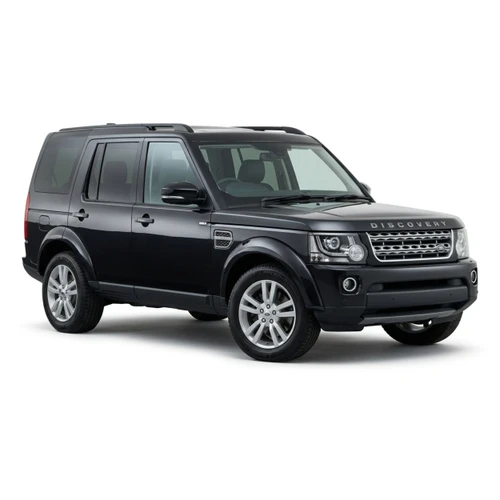
The Discovery 3 was replaced by the Discovery 4. Although the later vehicle retained the same basic body platform, it introduced revised styling, new engines and extensive electronic and interior changes.

Principal Discovery 3 Engines
UK Discovery 3 models were predominantly fitted with the 2.7 TDV6 diesel, although petrol engines were available in smaller numbers and in other markets.
TDV6
2.7-litre TDV6 Diesel
The turbocharged 2.7 TDV6 was the principal UK engine. It was offered with six-speed manual and automatic transmissions and uses model-specific fuel, cooling, turbocharger, timing and exhaust components.
V8
4.4-litre V8 Petrol
The naturally aspirated 4.4 V8 petrol engine was normally paired with the six-speed automatic gearbox. Engine, cooling, ignition, exhaust and service parts are entirely different from TDV6 components.
V6
4.0-litre V6 Petrol
A 4.0-litre petrol V6 was supplied in certain overseas markets. Imported vehicles should be identified carefully because many UK-market engine listings will apply only to TDV6 or V8 models.
Discovery 3 Chassis and Vehicle Systems
Many Discovery 3 repairs depend on whether the vehicle has air suspension, coil springs, manual or automatic transmission and particular electronic options.
Electronic Air Suspension
Most UK passenger models use height-adjustable air suspension with four air struts, height sensors, a compressor, reservoir and valve blocks. Compressor type and related fittings can vary.
Coil-Spring Suspension
Some vehicles were factory fitted with conventional coil springs instead of air suspension. Coil-spring vehicles use different struts, springs and associated suspension components.
Terrain Response
Terrain Response coordinates several electronic systems according to the selected driving surface. Switches, control modules and drivetrain components must match the fitted specification.
Manual or Automatic Gearbox
The 2.7 TDV6 was available with manual and automatic transmission. Gearbox filters, fluids, coolers, mounts, propshafts and control components differ between them.
Electronic Parking Brake
The rear parking brakes are operated by an electronic actuator and cables. Shoes, adjusters, cables and the actuator mechanism must be correctly fitted and adjusted to avoid noise or actuator damage.
Rear Differential Types
Vehicles may use a standard open rear differential or an electronically controlled locking differential. Motors, wiring and differential components are not interchangeable between every version.
How to Identify Your Discovery 3
Discovery 3 components are frequently divided by VIN, engine, transmission, suspension system, brake size and fitted equipment.
Check the complete VIN
The VIN is essential for identifying production changes and original specification. Many parts are divided by exact chassis-number breakpoints rather than registration year alone.
Confirm the engine
Establish whether the vehicle has the 2.7 TDV6 diesel, 4.4 V8 petrol or an overseas-market 4.0 V6. Do not choose engine parts using vehicle appearance alone.
Check the transmission
Confirm whether the vehicle has a six-speed manual or six-speed automatic gearbox. Transmission oils, filters, mounts and driveline components vary.
Identify the suspension
Look for air struts and an air-suspension compressor or conventional coil springs. Some vehicles may also have been converted from air suspension to coils.
Check brake size and wheels
Brake discs, calipers and pads can vary with engine, wheel size and model specification. Compare the existing brakes and use VIN information where required.
Compare the original component
Check electrical connectors, labels, casting numbers and physical dimensions. Electronic modules may also require programming or configuration after installation.
Shop Land Rover Discovery 3 Parts
Browse replacement parts, service kits, accessories and upgrades for diesel and petrol Discovery 3 models.
Discovery 3 Parts
Browse our complete Discovery 3 range, including suspension, braking, engine, transmission, electrical, body, steering and service components.
Shop Discovery 3 PartsLooking for Discovery 4 Parts?
The Discovery 4 replaced the Discovery 3 in 2009. Although the two vehicles share their basic platform, engines, electronics, styling and many parts differ.
Shop Discovery 4 PartsUnsure which Discovery 3 part you need?
Send us your vehicle registration or VIN, engine, transmission and details of the component you are replacing. For suspension parts, tell us whether the vehicle has air or coil suspension. Clear photographs, connector details and numbers from the original part can help us check the most likely fitment.