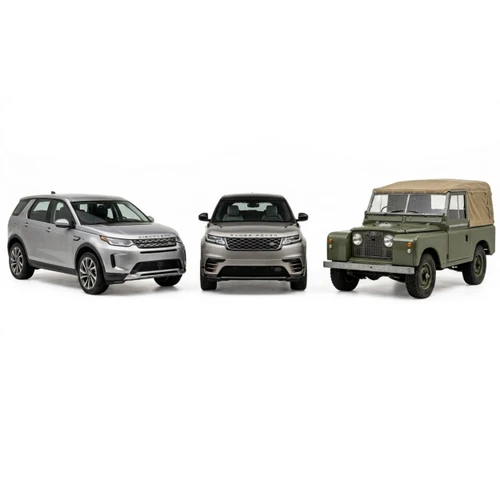
Land Rover Freelander 2 Information
Land Rover Freelander 2 Information
Explore the history, engines, transmissions, four-wheel-drive system and important model changes of the Land Rover Freelander 2, also known by its L359 model code.
The Land Rover Freelander 2
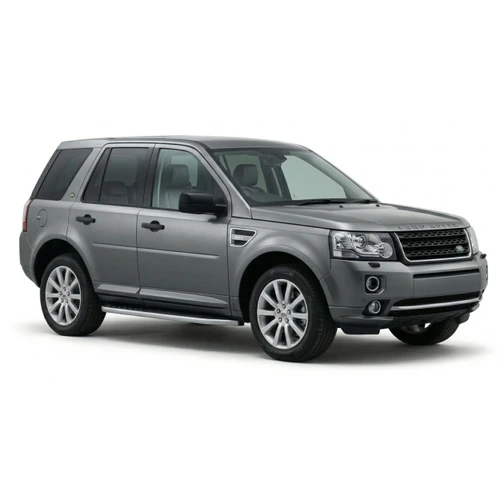
The Land Rover Freelander 2 was revealed in 2006 and reached UK customers as a substantially more refined and capable replacement for the original Freelander.
Identified by the L359 model code, the Freelander 2 used a completely different body, platform, suspension, drivetrain and electrical system from the Freelander 1. It was produced only as a practical five-door model.
The vehicle combined independent suspension and a transverse engine layout with electronically controlled four-wheel drive. Its stronger structure, improved cabin and greater ground clearance helped it offer both comfortable road manners and useful off-road capability.

Freelander 2 Model Types
Styling, engine output, drivetrain and equipment changed during production. The VIN remains the best starting point when checking compatibility.
Early Freelander 2
Original 2007 model rangeEarly vehicles are recognised by their original grille, bumper, lamps and interior specification. UK models were offered with the 2.2 TD4 diesel or 3.2-litre petrol engine.
Updated Freelander 2
Revised styling and equipmentLater vehicles received revised grilles, bumpers, lighting, instruments, trim and infotainment. Further interior and exterior updates followed during the final years of production.
eD4 Two-Wheel Drive
Front-wheel-drive dieselThe eD4 was produced without the rear propshaft, Haldex coupling or rear differential used by four-wheel-drive models. Driveline and some suspension parts therefore differ.
Land Rover Freelander 2 History
The Freelander 2 received several engine, styling and equipment updates during its production life.
The Freelander 2 is revealed
The second-generation Freelander debuted with a new five-door body, independent suspension, Terrain Response and electronically controlled four-wheel drive.
UK sales become established
Most UK buyers chose the 2.2-litre TD4 diesel, available with six-speed manual or automatic transmission. A 3.2-litre six-cylinder petrol automatic was also offered.
TD4_e stop-start model
Manual diesel models gained automatic stop-start technology on suitable specifications, helping reduce fuel consumption and emissions during urban use.
Revised diesel range and eD4
Updated TD4 and higher-output SD4 diesel models were introduced. The front-wheel-drive eD4 also joined the UK range for drivers who did not require four-wheel drive.
Later interior and exterior revisions
Later vehicles received refreshed trim, instruments, centre-console controls and exterior details. Electrical and equipment specification can vary by model year.
Freelander 2 production ends
The Freelander 2 was replaced by the Discovery Sport, which uses a different platform, body, engines, electrical system and available 5+2 seating layout.
Electronic four-wheel drive and Terrain Response
Four-wheel-drive Freelander 2 models use an electronically controlled coupling to send drive to the rear wheels when required. Terrain Response coordinates throttle, gearbox, traction control and other systems for different driving surfaces.
Freelander 2 Engines
Confirm the engine badge, output, transmission and VIN before ordering service, cooling, fuel or exhaust components.
2.2-Litre TD4 Diesel
The TD4 was the most common UK Freelander 2 engine. Different power outputs and production revisions mean that some fuel, turbocharger, cooling and emissions components are VIN dependent.
2.2-Litre SD4 Diesel
The higher-output SD4 was normally paired with the six-speed automatic transmission. Do not assume every TD4 and SD4 engine or transmission component is interchangeable.
2.2-Litre eD4 Diesel
The eD4 is a front-wheel-drive version designed for improved economy. It does not use the complete rear drivetrain fitted to four-wheel-drive models.
3.2-Litre Six-Cylinder Petrol
Early petrol models use a transversely mounted inline-six engine with automatic transmission. Engine, ignition, cooling and exhaust parts are different from the diesel range.
Six-Speed Manual Transmission
Manual TD4 and eD4 models use model-specific clutch, flywheel, gearbox and driveshaft components. Stop-start equipment may also affect certain parts.
Six-Speed Automatic Transmission
Automatic TD4, SD4 and petrol models use a six-speed transmission. Fluids, filters, coolers and driveline components must match the fitted engine and gearbox.
Freelander 2 Drivetrain and Chassis
Four-wheel-drive system, transmission, suspension and brake specification can vary according to year, engine and model.
Haldex Four-Wheel-Drive Coupling
Four-wheel-drive models use an electronically controlled rear coupling. Pump, filter, control unit and coupling specification can differ between production periods.
Front Transfer Unit
The power transfer unit sends drive from the transverse gearbox to the rear propshaft. It is not fitted to front-wheel-drive eD4 vehicles.
Rear Differential
The rear differential works with the Haldex coupling on four-wheel-drive models. Bearings, seals and complete units should be matched by VIN and specification.
Terrain Response
Suitable four-wheel-drive models allow the driver to select programmes for general driving, grass and snow, mud and ruts, or sand.
Independent Coil Suspension
The Freelander 2 uses independent coil-spring suspension at all four corners. Springs and dampers can vary with engine, drivetrain and trim specification.
Electronic Parking Brake
An electrically operated parking-brake system is fitted. Actuator, cables, switches and rear brake components must match the vehicle specification.
Different Brake Specifications
Disc, pad and caliper sizes can vary according to engine, wheel size, production date and market specification.
Diesel Particulate Filter
Diesel exhaust specification varies by year and market. Confirm whether a DPF is fitted before ordering exhaust, sensor or emissions components.
Electronic Modules and Calibration
Some modules, sensors, steering components and drivetrain parts may require programming or calibration using suitable diagnostic equipment.
How to Identify Your Freelander 2
Use the complete VIN, engine, gearbox, drivetrain and original component information when checking compatibility.
Check the complete VIN
Many Freelander 2 parts are divided by exact VIN breakpoints. The VIN also helps identify model year, engine and original specification.
Identify the engine
Confirm whether the vehicle has a TD4, SD4, eD4 or 3.2-litre petrol engine and establish the relevant power output where required.
Confirm manual or automatic
Gearbox, clutch, driveshaft, mounting and cooling parts differ significantly between manual and automatic vehicles.
Check two-wheel or four-wheel drive
The eD4 lacks the propshaft, Haldex coupling, rear differential and associated components fitted to four-wheel-drive models.
Identify early or later specification
Grilles, bumpers, lamps, interior trim and electrical components changed during production. Registration year may overlap a model-year change.
Compare the original component
Check labels, casting numbers, electrical connectors and visible design details. Some electronic parts require coding after installation.
Shop Land Rover Freelander 2 Parts
Browse replacement parts, service items and accessories for TD4, SD4, eD4 and petrol Freelander 2 models.
Freelander 2 Parts
Browse our complete Freelander 2 range, including engine, transmission, braking, suspension, body, electrical and service components.
Shop Freelander 2 PartsLooking for Discovery Sport Parts?
The Discovery Sport replaced the Freelander 2 and uses a different body, platform, engine range and electrical system, with optional 5+2 seating.
Shop Discovery Sport PartsUnsure which Freelander 2 part you need?
Send us your vehicle registration or complete VIN, engine designation, transmission and details of the component being replaced. Please also confirm whether the vehicle is front-wheel drive or four-wheel drive where relevant. Clear photographs, connector details and numbers from the original part can help us check likely fitment.