
Range Rover Evoque Information
Range Rover Evoque Information
Explore the generations, body styles, engines, drivetrains and major model-year changes of the Range Rover Evoque, including the original L538 and later L551.
The Range Rover Evoque
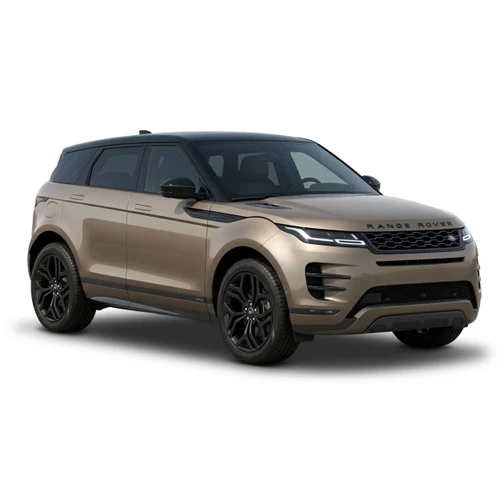
The Range Rover Evoque entered production in 2011 as a compact premium SUV with styling heavily influenced by the earlier LRX concept vehicle. Its rising waistline, sloping roof and short overhangs gave it a distinctive appearance unlike any previous Range Rover.
The first-generation Evoque is identified by the L538 model code. It was produced as a five-door model, a three-door Coupé and, later, a four-seat Convertible. Front-wheel-drive and four-wheel-drive versions were available depending on engine and specification.
The second-generation L551 was introduced for 2019. It retained the recognisable Evoque profile but moved onto a newer Premium Transverse Architecture designed to support 48-volt mild-hybrid and plug-in-hybrid systems.
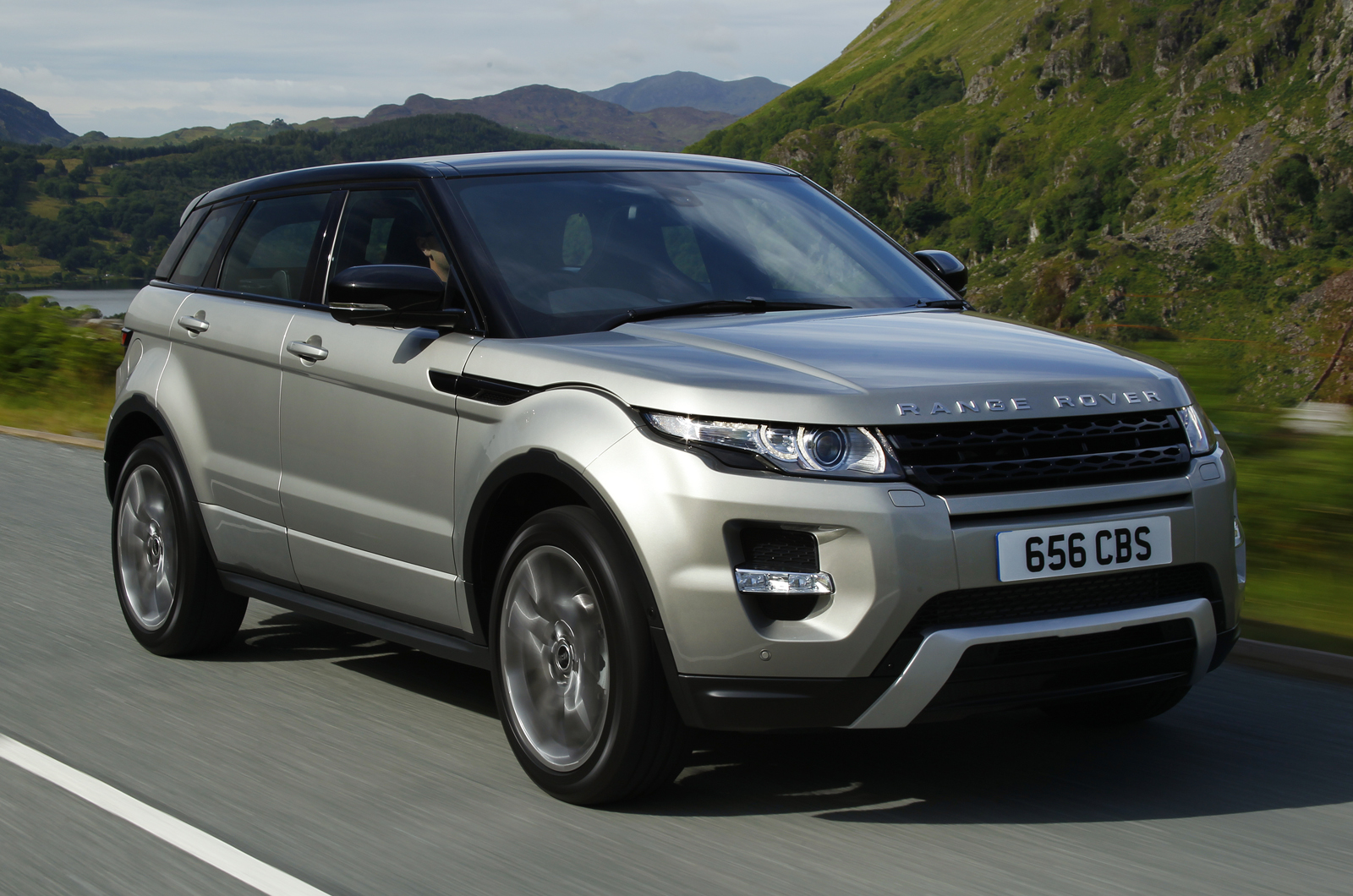
Range Rover Evoque Model Types
Identifying the vehicle generation and body style is essential when selecting exterior, interior, glazing, electrical and suspension parts.
The original Evoque was available with 2.2-litre diesel, 2.0-litre petrol and later 2.0-litre Ingenium engines. It was produced with manual and automatic transmissions and front-wheel-drive or four-wheel-drive systems.
The three-door Coupé uses longer front doors and model-specific rear body panels, glazing and interior trim. The later Convertible is a separate four-seat, two-door body with a powered folding fabric roof.
The second-generation Evoque is a five-door model with flush exterior door handles, a redesigned cabin and new electrical architecture. Mild-hybrid and plug-in-hybrid powertrains are available.
Range Rover Evoque History
The Evoque developed from a conventionally powered compact SUV into a range that includes mild-hybrid and plug-in-hybrid technology.
The Range Rover Evoque is launched
The original L538 entered the UK market as a five-door model and three-door Coupé. Initial engines included 2.2-litre TD4 and SD4 diesels and the turbocharged 2.0-litre Si4 petrol engine.
Nine-speed automatic transmission
The original six-speed automatic was replaced on suitable models by the ZF nine-speed automatic transmission. Driveline, servicing and transmission components must match the gearbox actually fitted.
Ingenium engines and the Convertible
The 2.0-litre Ingenium diesel became established in the range, replacing the earlier 2.2 diesel. The four-seat Evoque Convertible also entered production with a powered fabric roof and model-specific body.
The second-generation L551 arrives
The redesigned Evoque moved onto the Premium Transverse Architecture. It introduced flush door handles, a completely revised interior, newer electronics and widespread 48-volt mild-hybrid technology.
P300e plug-in hybrid introduced
The P300e combined a 1.5-litre three-cylinder petrol engine with an electrically driven rear axle and a high-voltage traction battery. Its engine, driveline, braking and cooling systems are model specific.
Models
Continuing technology updates
Later L551 vehicles received revised infotainment, interior controls, lighting, trim and engine specifications. Cars registered in the same year may belong to different model-year specifications.
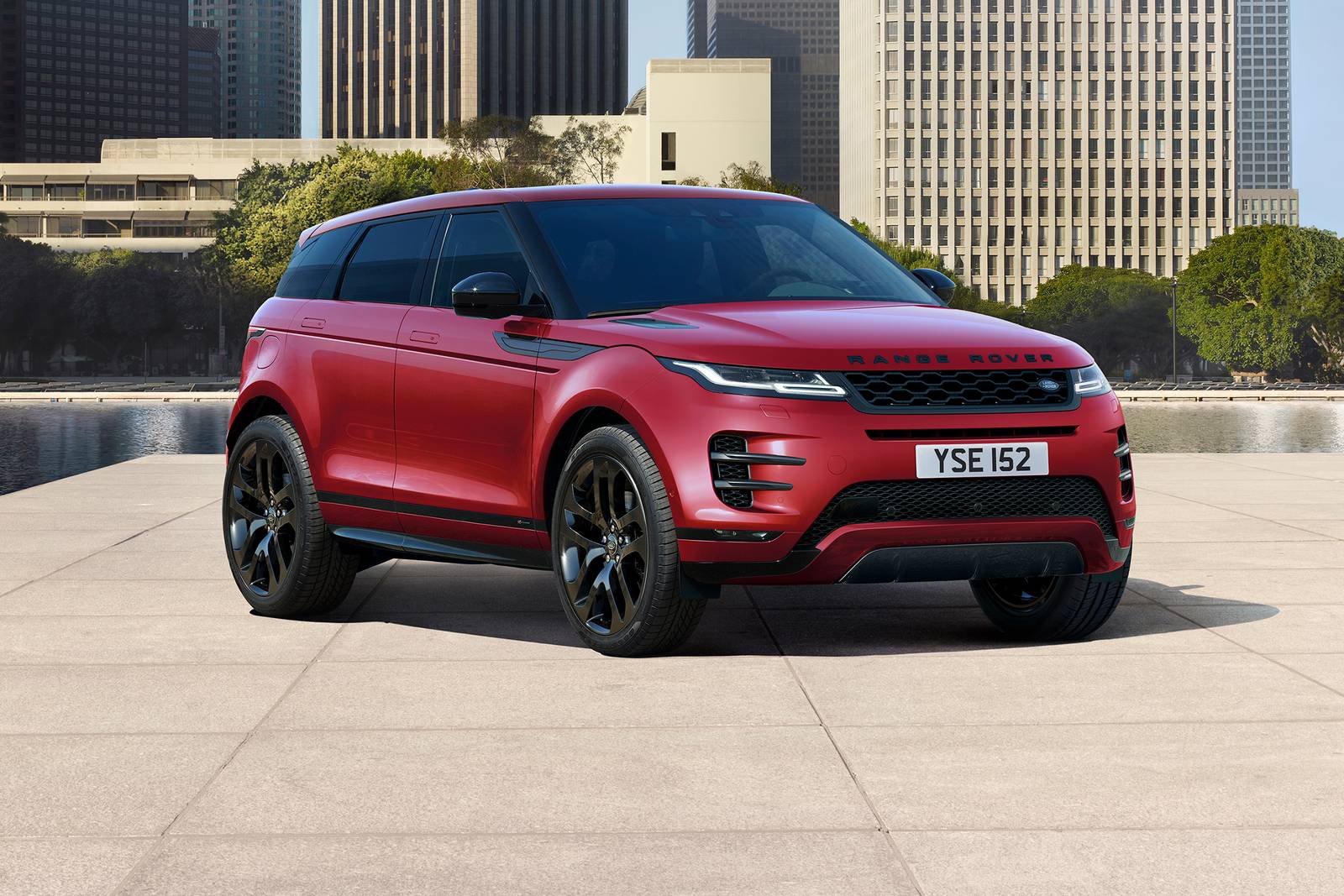
Principal Range Rover Evoque Engines
Engine capacity alone may not identify the correct parts. Check the generation, engine badge, power output, VIN and original component number wherever possible.
Diesel
2.2-litre TD4 and SD4 Diesel
Early L538 diesel models use the 2.2-litre turbodiesel in different power outputs. Service, timing, fuel, cooling and exhaust components differ from those used by later Ingenium engines.
Si4
2.0-litre Si4 Petrol
Early petrol Evoques use a turbocharged four-cylinder Si4 engine. Engine, ignition, fuel, cooling and exhaust components must be selected separately from diesel and later Ingenium applications.
Diesel
2.0-litre Ingenium Diesel
Later L538 and L551 vehicles use four-cylinder Ingenium diesels in several outputs and designations, including eD4, TD4, D150, D165, D180 and D200.
Petrol
2.0-litre Ingenium Petrol
Later petrol vehicles use Ingenium engines with badges such as P200, P250 and P300. Components may vary according to generation, power output, emissions standard and hybrid specification.
48-Volt Mild Hybrid
Many L551 petrol and diesel models use a belt-integrated starter generator and 48-volt battery. Charging, auxiliary-drive and electrical parts differ from non-hybrid models.
1.5-litre Plug-In Hybrid
The P300e uses a three-cylinder petrol engine, high-voltage battery and electric rear axle motor. It has a different transmission and driveline from conventional four-wheel-drive Evoques.
Evoque Drivetrain and Vehicle Systems
The correct component can depend on generation, engine, transmission, drivetrain, body style, wheel size and electronic equipment.
Front-Wheel Drive
Selected lower-powered Evoques were produced with front-wheel drive. These vehicles do not use the propshaft, rear differential and four-wheel-drive coupling fitted to conventional AWD versions.
Four-Wheel Drive
Four-wheel-drive models use electronically controlled driveline systems. Couplings, propshafts, rear differentials and driveshafts vary between generations and engine specifications.
P300e Electric Rear Axle
The P300e drives its rear wheels electrically rather than through a conventional propshaft. Conventional AWD transmission and rear driveline parts do not apply.
Manual and Automatic Gearboxes
Evoque models may use six-speed manual, six-speed automatic, nine-speed automatic or P300e-specific eight-speed automatic transmissions. Oils, filters and driveline parts differ.
Independent Coil Suspension
Evoque models use independent suspension with conventional coil springs rather than height-adjustable air suspension. Springs and dampers vary with body, engine and trim specification.
Terrain Response
Suitable four-wheel-drive models use Terrain Response to adjust throttle, gearbox and traction-control behaviour. Controls and available programmes vary by generation.
Five-Door, Coupé or Convertible
Doors, glass, seals, roof components, trim and many body fittings are specific to the five-door, Coupé or Convertible body. Confirm the exact body style before ordering.
Cameras, Radar and Sensors
Depending on trim, vehicles may have reversing or surround cameras, radar, parking sensors and lane or emergency-braking systems. Replacement equipment can require calibration.
Programming and Configuration
Control modules, lights, cameras, keys and some sensors may require coding, programming or calibration using suitable diagnostic equipment after installation.
How to Identify Your Range Rover Evoque
The VIN is the most reliable starting point because Evoque engines, gearboxes, body styles and electronic systems changed substantially during production.
Check the complete VIN
Many Evoque components are divided by exact VIN breakpoints. The VIN also helps identify model year, original engine, drivetrain and factory specification.
Confirm L538 or L551
The L538 is the original generation produced through 2018. The L551 is the later five-door model with flush handles and newer electrical and hybrid architecture.
Identify the engine
Establish whether the vehicle has a 2.2 diesel, early 2.0 Si4 petrol, 2.0 Ingenium diesel or petrol, or the 1.5-litre P300e plug-in-hybrid system.
Check the transmission
Confirm whether the vehicle has a manual, six-speed automatic, nine-speed automatic or P300e eight-speed gearbox. Registration year alone may not be sufficient.
Confirm body and drivetrain
Establish whether the vehicle is five-door, Coupé or Convertible, and whether it is front-wheel drive, conventional AWD or P300e electric-rear-axle drive.
Compare the original component
Check labels, electrical connectors, casting numbers and visible design features. Electronic parts may require coding or calibration after fitting.
Shop Range Rover Evoque Parts
Browse replacement parts, service items and accessories for first-generation L538 and second-generation L551 models.
Range Rover Evoque Parts
Browse our Evoque range, including engine, braking, transmission, suspension, electrical, body, servicing and accessory components.
Shop Range Rover Evoque PartsLooking for Discovery Sport Parts?
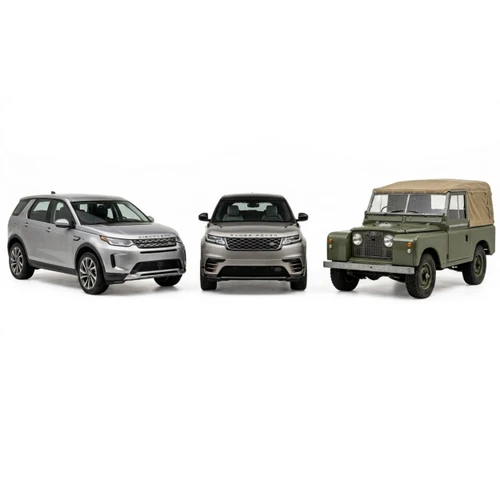
The Discovery Sport is a larger, more practical compact SUV related to the Evoque platform. It has a separate body, interior and parts range.
Shop Discovery Sport PartsUnsure which Range Rover Evoque part you need?
Send us your vehicle registration or complete VIN, engine, transmission and details of the component you are replacing. Please also confirm whether the vehicle is an L538 or L551 and whether it is front-wheel drive, four-wheel drive or P300e where relevant. Clear photographs, connector details and numbers from the original part can help us check the most likely fitment.