
Range Rover L405 Information
Range Rover L405 Information
Explore the standard and long-wheelbase models, diesel, petrol and plug-in-hybrid engines, electronic air suspension and important identifying features of the fourth-generation Range Rover.
The Range Rover L405
The Range Rover L405 was introduced in 2012 as a completely redesigned replacement for the L322. It retained the familiar floating roof, clamshell bonnet, upright glasshouse and split tailgate while adopting smoother bodywork and a more modern interior.
Its most significant structural change was the use of an aluminium-intensive monocoque body. This helped reduce weight considerably compared with the previous generation while maintaining strength, refinement and off-road capability.
The L405 was available in standard and long-wheelbase forms, with trim levels ranging from Vogue and Autobiography to high-performance and ultra-luxurious SVAutobiography models. Diesel, petrol, mild-hybrid and plug-in-hybrid powertrains were offered during production.
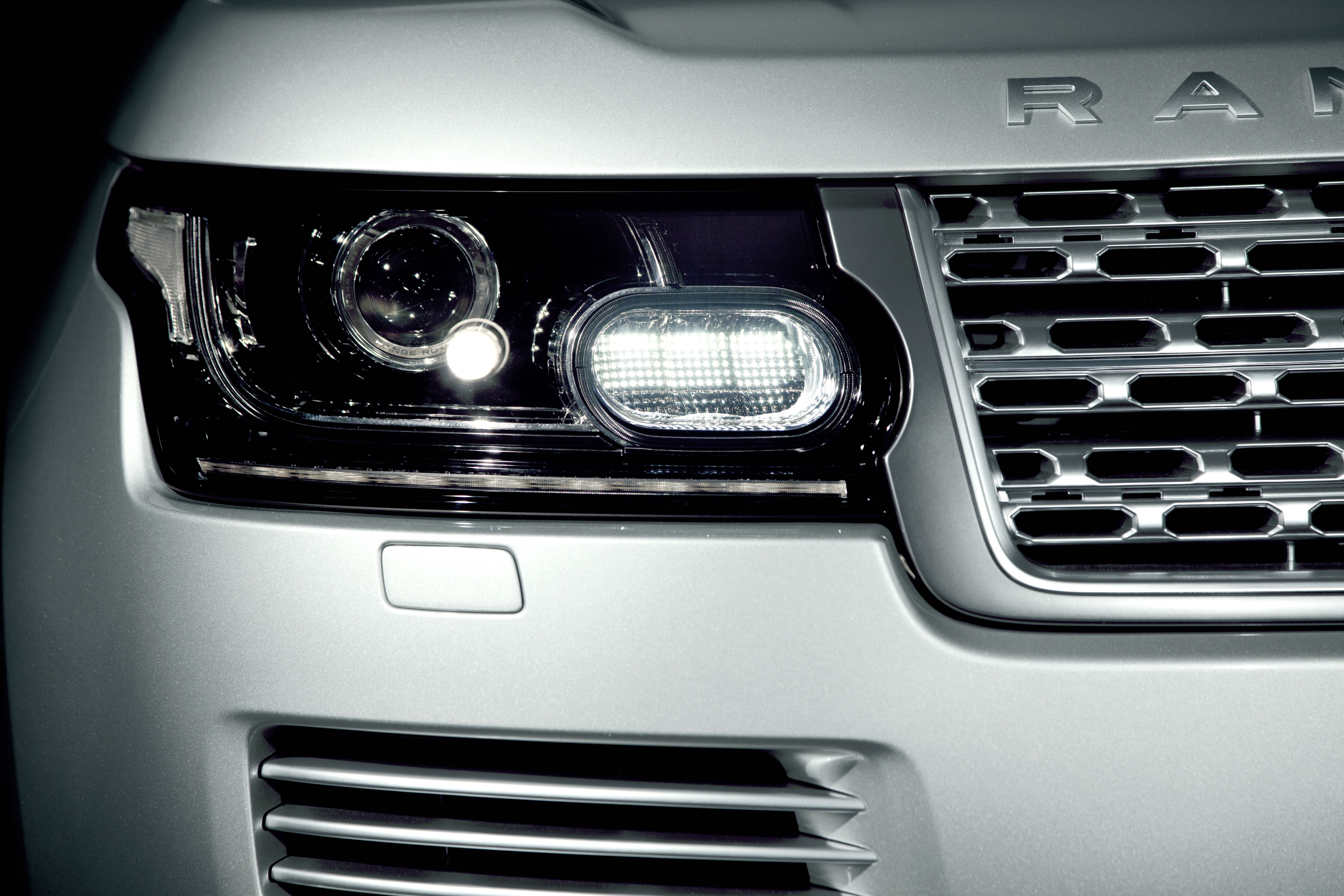
Range Rover L405 Model Types
Wheelbase, engine, suspension, brakes, bodywork and interior equipment can vary considerably across the L405 range.
Standard Wheelbase
The principal L405 bodyThe standard-wheelbase model provides five-door accommodation with permanent four-wheel drive and electronic air suspension. Most UK engine and trim combinations were available in this body style.
Long Wheelbase
Extended rear passenger spaceThe long-wheelbase L405 has an extended body and wheelbase, providing substantially greater rear legroom. Doors, sills, propshafts, exhausts and interior parts can differ from standard models.
Autobiography
High luxury specificationAutobiography models feature upgraded leather, trim, seating, audio, exterior detailing and additional equipment. Exact specification varies by year and individual vehicle.
SVAutobiography
Special Vehicle Operations flagshipSVAutobiography models feature distinctive body, trim, seating and performance equipment. Some versions use uprated supercharged V8 engines, brakes and suspension.
Range Rover L405 History
The L405 received major engine, technology, styling and interior updates during its production life.
The L405 is revealed
The fourth-generation Range Rover made its debut with an aluminium body structure, independent electronic air suspension and a substantially lighter design than the preceding L322.
UK sales become established
Early UK vehicles included 3.0-litre diesel, 4.4-litre SDV8 diesel and 5.0-litre supercharged petrol engines, normally paired with an eight-speed automatic gearbox.
Long-wheelbase model expands the range
The extended long-wheelbase version provided greater rear passenger space and became an important platform for high-specification Autobiography models.
SVAutobiography is introduced
The SVAutobiography became the new flagship, combining bespoke luxury detailing with a specially tuned supercharged V8 on suitable versions.
Major facelift and P400e plug-in hybrid
The updated L405 received revised lamps, bumpers, interior screens and controls. The P400e combined a 2.0-litre petrol engine with an electric motor and high-voltage battery.
New straight-six petrol powertrain
The P400 introduced an Ingenium straight-six petrol engine with 48-volt mild-hybrid assistance, replacing the earlier supercharged V6 in suitable markets.
Mild-hybrid diesels join the range
Later vehicles received D300 and D350 straight-six Ingenium diesel engines with 48-volt mild-hybrid technology, replacing earlier V6 and V8 diesel options.
Final editions and end of production
Final models included the Fifty and SVAutobiography Ultimate editions before production gave way to the new Range Rover L460.
Air suspension, Terrain Response and permanent four-wheel drive
The L405 combines independent electronic air suspension, permanent four-wheel drive and advanced Terrain Response systems. Suitable models use a twin-speed transfer gearbox, active rear differential and automatic height adjustment to provide strong capability on road and across difficult terrain.
Range Rover L405 Engines
Engine availability varies by model year and market. Always confirm the complete VIN, engine designation and production period before ordering parts.
Three-Litre Diesel V6
Early lower-output diesel models use the twin-turbo 3.0-litre TDV6. Fuel, turbocharger, EGR, cooling and emissions parts must match the precise engine specification.
Higher-Output Diesel V6
The SDV6 is a higher-output version of the 3.0-litre diesel. It shares some components with the TDV6, but engine-management, turbocharger and emissions parts can differ.
Twin-Turbo Diesel V8
The 4.4-litre SDV8 provides strong torque and refinement. Cooling, turbocharger, fuel, exhaust, transmission and brake components can be specific to this model.
Supercharged Petrol V6
Selected petrol models use a supercharged 3.0-litre V6. Ignition, intake, cooling and exhaust components differ from the diesel and V8 powertrains.
Supercharged Petrol V8
The flagship 5.0-litre supercharged V8 was offered in several outputs. Higher-performance versions can use different brakes, cooling, exhaust and drivetrain components.
Plug-In Hybrid
The P400e combines a 2.0-litre Ingenium petrol engine with an electric motor and high-voltage battery. Charging, cooling, braking and drivetrain parts are specific to the hybrid.
Petrol Straight-Six Mild Hybrid
Later P400 models use a 3.0-litre Ingenium straight-six petrol engine with 48-volt mild-hybrid assistance. Electrical and auxiliary-drive parts are model specific.
Diesel Straight-Six Mild Hybrid
Final-period diesel models use 3.0-litre Ingenium straight-six engines with 48-volt mild-hybrid technology. They differ completely from the earlier V6 and V8 diesels.
Automatic Transmission
L405 models use an eight-speed automatic gearbox, but transmission specification, torque capacity, cooling and service parts vary according to engine and year.
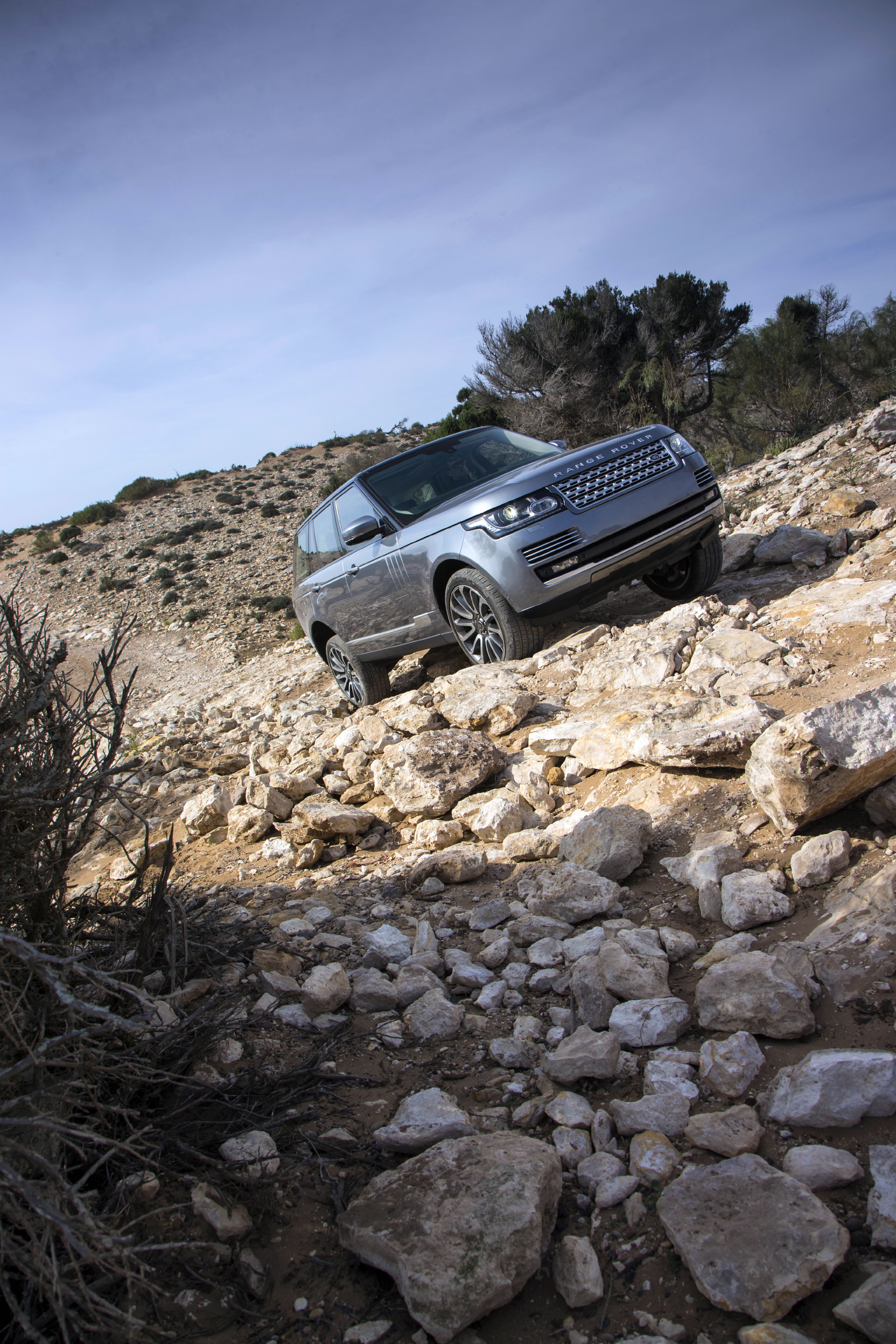
Range Rover L405 Long Wheelbase
The long-wheelbase L405 extends the wheelbase and rear body to provide additional legroom for rear-seat passengers. It was offered with highly equipped Autobiography and SVAutobiography interiors.
Rear doors, sills, floor sections, headlining, seating, propshafts, exhaust and other components may differ from the standard-wheelbase model. The complete VIN should be checked before ordering.
Range Rover L405 Vehicle Systems
Drivetrain, suspension, brakes and electrical equipment vary according to engine, wheelbase, model year and trim.
Aluminium Monocoque Body
The L405 uses an aluminium-intensive monocoque structure. Body repair methods, fasteners and structural components differ from the steel-bodied L322.
Electronic Air Suspension
Air springs, dampers, height sensors, valve blocks, reservoir and compressor provide automatic levelling and selectable ride heights.
Adaptive Dynamics
Suitable vehicles continuously adjust damper behaviour according to road conditions and driver inputs. Replacement dampers must match the fitted system.
Permanent Four-Wheel Drive
Drive is supplied to all four wheels through an electronically controlled transfer system. Transfer case and differential specifications vary.
Terrain Response 2
Terrain Response coordinates engine, gearbox, transfer case, suspension, braking and differential behaviour for different road and surface conditions.
Electronic Active Differential
Suitable models use an electronically controlled rear differential. Motors, control components and complete differential units must match the fitted specification.
Different Brake Specifications
Brake discs, pads and calipers vary with engine, wheel size, model year and performance level. Supercharged and SV models can use larger braking systems.
Electronic Parking Brake
The rear parking-brake system uses an electronic actuator. Actuator, cables, shoes and rear brake components should be checked by VIN.
Programming and Calibration
Many modules, lamps, cameras, suspension parts, steering components and sensors require programming, calibration or diagnostic reset after installation.
How to Identify Your Range Rover L405
Use the complete VIN, engine, wheelbase, model year and original component details when checking compatibility.
Check the complete VIN
Many L405 components are divided by exact VIN breakpoints. The VIN also identifies production details and original vehicle specification.
Confirm standard or long wheelbase
Body, doors, interior trim, propshafts and exhaust parts can differ between standard and long-wheelbase vehicles.
Identify the exact engine
Establish whether the vehicle has a diesel V6, diesel V8, petrol V6, petrol V8, P400e or later straight-six mild-hybrid engine.
Check pre-facelift or facelift specification
The 2017-era update changed lamps, bumpers, interior controls, infotainment and many electrical components.
Confirm standard, Autobiography or SV
High-specification and performance models can use different brakes, suspension, body styling, exhaust and interior components.
Compare the original component
Check labels, casting numbers, electrical connectors, dimensions and mounting points against the replacement product information.
Shop Range Rover L405 Parts
Browse replacement parts, service components and accessories for diesel, petrol and hybrid Range Rover L405 models.
Range Rover L405 Parts
Browse engine, transmission, braking, air suspension, body, electrical, steering and service components for Range Rover L405 models.
Shop Range Rover L405 PartsLooking for Newer Range Rover Parts?
The Range Rover L460 replaced the L405 for the 2022 model year and uses a different platform, body, electrical architecture and range of powertrains.
Browse Range Rover PartsUnsure which Range Rover L405 part you need?
Send us your vehicle registration or complete VIN, engine designation, standard or long-wheelbase body and details of the component being replaced. Please include clear photographs, electrical connector details and any numbers from the original part. This is especially important because major mechanical and electrical changes occurred throughout L405 production.